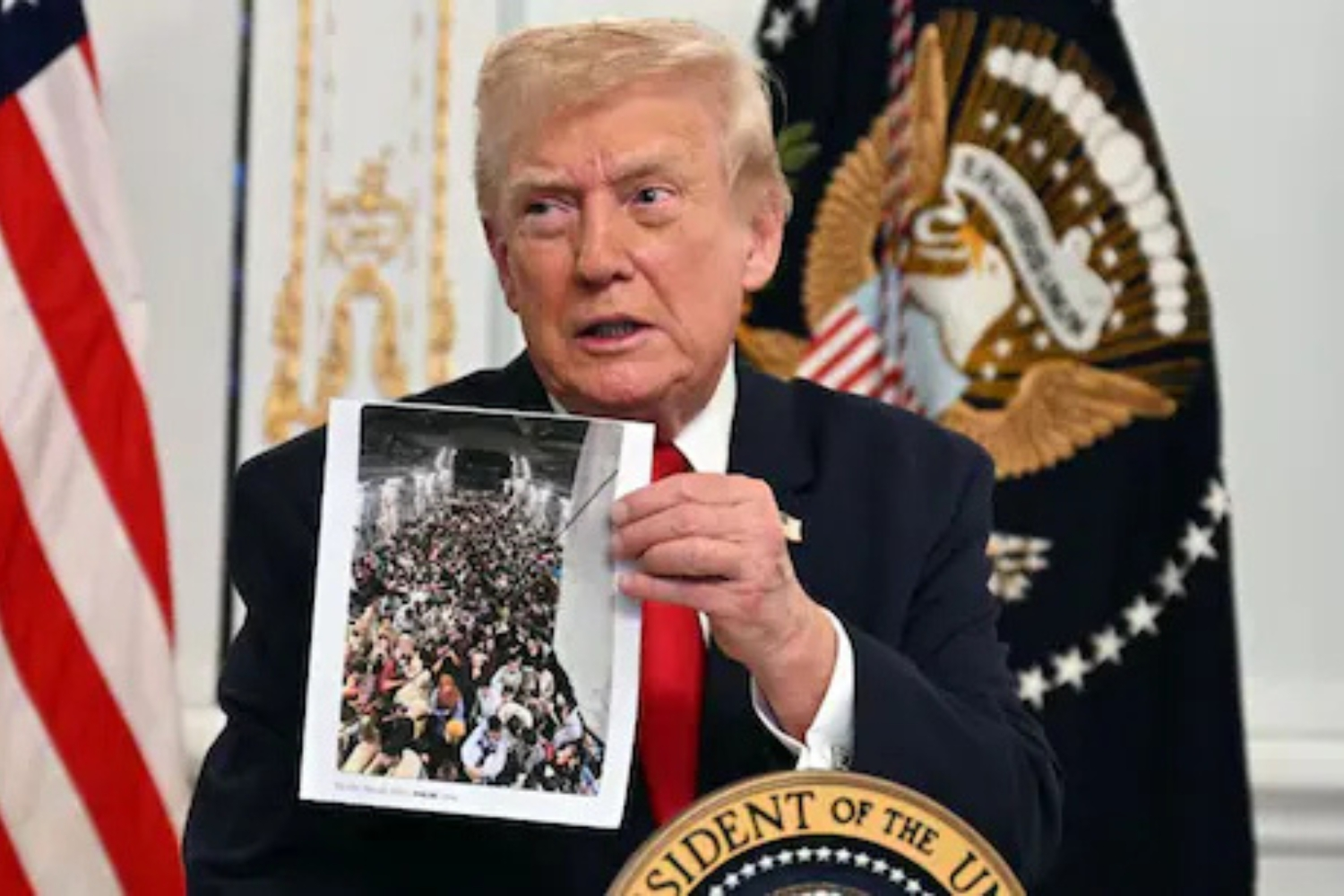


A report saying Donald Trump was shown possible military actions, including strikes on Ali Khamemeini and his son Mojtaba, shows how tense things have gotten between the U.S. and Iran. Axios claims high-level government figures have talked through plans to remove Iran’s key leaders should conflict grow worse. Even though there is no confirmed choice yet, just thinking about it reveals how unstable the situation feels right now.
Looking closely matters more than what front pages show. When it comes to going after a top-level ruler, consequences stretch through global power shifts, courtroom arguments, time-stamped precedents – not just battlefield choices.
1. Strategic Context What Sets This Apart
Years of tension between Washington and Tehran show up in hidden wars, penalties through sanctions, digital attacks, yet never face-to-face clashes at the top. Hitting Iran’s supreme leader head-on? That breaks every rule seen before.
Back then, America stayed quiet about going after top leaders abroad. When tensions flared – like right after Soleimani died in 2020 – the hit focused on a general, not the nation’s ruler. Taking out Khamenei wouldn’t feel like combat strategy anymore; it’d look more like tearing down a government from the top.
This change would bring a few results along with it
- Fractions within Iran’s politics might find common ground where they usually do not.
- This might spark pushback through allies in the area.
- A move like that might crack global partnerships apart – should it seem unjust or excessive.
Starting off, the real issue isn’t about military possibility – chances are, that part could work – rather, it hinges on if goals would actually be met before things spiral beyond control.
2. The Nuclear Dimension
A fresh wave of unease surrounds Iran’s atomic ambitions as talks quietly press forward in Geneva. Still, progress feels shaky at best. U.S. officials demand limits on enriched material along with tighter control of existing supplies. From Tehran’s view, the work serves only peaceful purposes and falls under national legal authority.
When talks fail, some leaders might claim force is now required. Yet this creates a dilemma – pressure can backfire just when unity matters most
- A sudden hit on atomic sites could slow progress down. Capability gains may face interruption through such actions. Not every attack seeks destruction – some target timing instead. Disruption becomes the goal when reactors or labs are involved. Speed of development often drops after these events occur.
- Targeting leaders shifts how choices are made up high. Toppling key figures alters the flow of power fast. Hitting those in charge disrupts control instantly. Removing central minds reshapes direction quickly. Unseating authority changes who steers the course. Knocking out command centers forces new paths forward.
One goal works nothing like the other. Different paths show up right away when you look close.
One thing stays unclear. Taking out Khamenei might not stop nukes at all. Instead, someone stricter could push the program faster. Mojtaba has been named as next in line – though who really takes power depends on tangled religious and state rules. Foreign attacks might twist those choices into something nobody saw coming.
Look again at what lies beneath. Could taking out leaders actually fail to force obedience? Past events hint otherwise. Take Iraq, then Libya, followed by Afghanistan – each case shows axing those in charge rarely brings calm. Expecting loyalty after such moves seems naive.
3. Military Readiness and Global Deployment
A fresh look at military planning shows Pentagon leaders have mapped out moves for each possible situation. At the same time, naval forces now appear much more often across waters near the Middle East and parts of the eastern Mediterranean.
Planes with cutting edge gear move in, along with full naval task forces. Though showing strength might hold threats back, it could just as easily spark a wrong guess. With each side locked and loaded, tiny mistakes gain big consequences.
A show of military strength usually aims to boost bargaining power. Yet as troops get nearer to actual combat stance, stepping back grows tough – looking feeble at home looms larger.
Here’s where politics steps in.
4. Domestic Political Calculations
Now here’s how it looks on the surface – Trump likes to stay vague on purpose, using uncertainty like a tool. Officials mentioned in the document say he’s leaving doors unlocked instead of closing them
Yet uncertainty cuts two paths. While it might slow an enemy down – sometimes it shakes confidence among partners too. When threats seem about to unfold, rivals could strike first. Confidence lost among friends brings silence instead of support when tension rises.
A foreign leader being targeted isn’t just a tactical move – it drags legal issues into the light. Hitting someone at that level might clash with long-standing international rules, along with how American power is supposed to be used. Just because it could be called defense doesn’t mean others will accept it quietly. The world watches closely when actions like this happen.
5. Regional Fallout
If Iran’s top leader were attacked, responses could unfold in many places at once
- Hezbollah activity in Lebanon
- Militia strikes in Iraq
- Houthi escalation in Yemen
- Maritime disruption in the Strait of Hormuz
Out here in the shadows, Iran shapes its moves around imbalance. Facing a stronger military power across the ocean, it leans on ties that stretch through neighboring grounds. Not equal on open battlefields, sure – yet influence flows quietly where alliances run deep.
Right away, energy markets might shift. About one out of every five barrels traded worldwide moves through the Strait of Hormuz. A small hiccup there can send prices up, shaking economies well outside the region. What happens in that narrow waterway echoes globally.
Yet here it sits – how ready is the United States when attacks come from more than one direction at once, not just a lone blow?
6. International Reaction
Right now, European partners focus on talks. Should America act alone, one outcome might be: a breakdown in coordination
- Strain transatlantic relations
- Undermine ongoing negotiations
- Complicate coordination with NATO partners
Should tensions rise, Russia might adjust its stance just as China does. Each has ties to Iran, so either may see moves against it as unbalancing. Shifts like these risk widening splits among major states, especially while rivalries grow sharper by the day.
7. The Ethics and Precedent of Leadership Targeting
A different kind of problem hides behind the rules: what happens when someone goes after the highest figure in charge?
When steady shifts in how leaders gain power feel routine, global conflict rules start shifting too. Because once that happens, rival nations might follow with mirrored strategies.
One might wonder if American leaders would tolerate the same rules they impose on others. Not just a question of debate – this reality molds how seriously nations take threats across the globe.
8. Strategic Ambiguity vs. Strategic Clarity
Officials passed along remarks, later repeated by White House voice Anna Kelly – still, nothing is settled. Specific proposals? The White House stepped back from discussing those.
Nowhere is uncertainty more useful than when it keeps options open. Yet when military forces grow while decisions stall, tensions often rise instead.
A stance today might mean one of three things. Could be a signal, maybe just habit, perhaps something else entirely. Each guess changes how it looks when you step back
- Building up militarily works as pressure. That strength gives weight when asking Iran to give ground. Power on display can shift how they choose to act. Showing force isn’t about fighting – it shapes decisions before conflict starts. Moves made now influence choices later. Presence alone changes calculations. Strength seen today feeds into talks tomorrow.
- Ready for a walkout – plans moving, deadlines set. Real steps already under way instead of just talk. Timing isn’t guesswork, it’s locked in. Action lines drawn, nothing left to chance.
- Truth is, tension’s building. Yet walking out hinges on clear warning signs showing up. Not before.
One way of seeing it changes how danger is weighed. A different view alters the numbers that follow.
9. Critical Questions Ahead
What if things don’t spiral out of control? Maybe pause. Consider whether tension must always grow
- Which move by Iran might lead to an attack?
- What counts more – slowing down nukes, stopping attacks, or toppling leaders?
- Should pushback grow worse, what path out remains clear?
- How would succession dynamics inside Iran reshape regional politics?
When answers stay unclear, pushing forward turns into a reaction that just happens instead of something planned.
10. The Broader Pattern
This time, it feels different – not because the game has changed, but because everyone can see the moves more clearly. What once unfolded behind closed doors now plays out in plain sight.
Talks haven’t officially ended yet. So there’s still a chance things could calm down. Yet chances shrink fast once troops and weapons start arriving near the front lines.
A Time to Choose
Out there, talk of going after Iran’s highest leaders has quietly become a defining moment in regional power moves. Not sure if it’s pressure tactics or actual preparation – either way, the stakes feel heavier than before.
What matters most isn’t just whether it can be done, but what follows after. Taking out a leader works on paper. Handling what comes next? Not so clear. The real challenge hides in the quiet chaos that unfolds when the shot has been fired.
Right now, things keep shifting. With forces on higher alert, talks hang by a thread while words grow sharper. Depending on what happens week to week, this might spiral into long standoff – or snap into something far worse.
Maybe take a closer look at particular cases – say, how shifts inside Iran’s leadership could play out, while oil markets shift depending on how tensions grow.