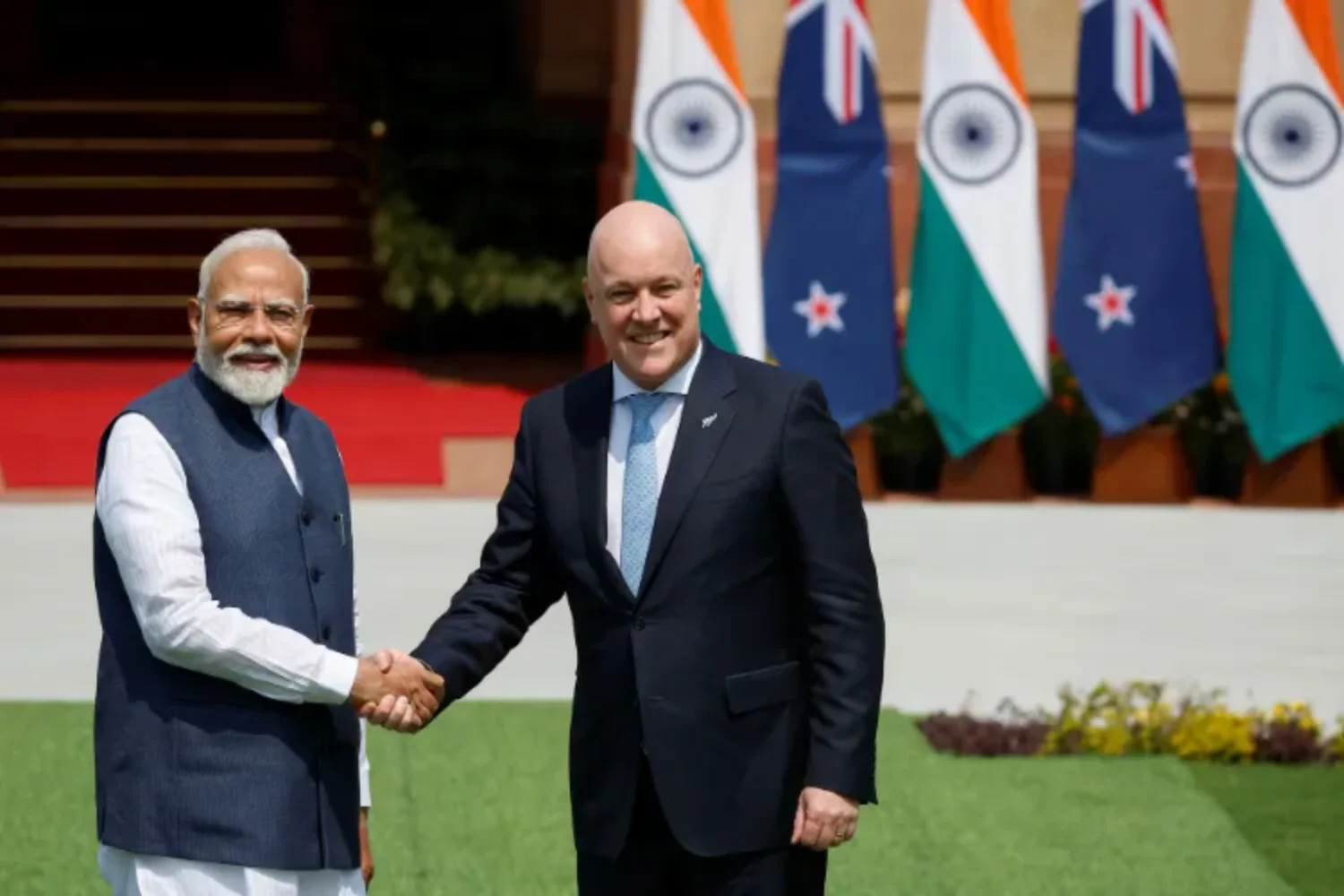


A phone call between Donald Trump and Benjamin Netanyahu stressed ongoing talks about Iran’s nuclear efforts, though force could still happen if words fail. Held inside the White House, their discussion unfolded when Middle Eastern strain is rising sharply. World eyes watch closely to see if U.S. officials and Iranian leaders find common ground. Talks carry weight right now, given how fragile conditions have become across the region. Diplomacy moves forward, yet pressure builds behind closed doors. No clear resolution appears close, despite repeated efforts. The situation shifts fast, shaped by decisions made far from public view. Each day brings new signals, some conflicting, others subtle but meaningful. Leaders weigh options quietly, aware missteps could spark wider unrest. Behind statements and meetings lies urgency few openly mention.
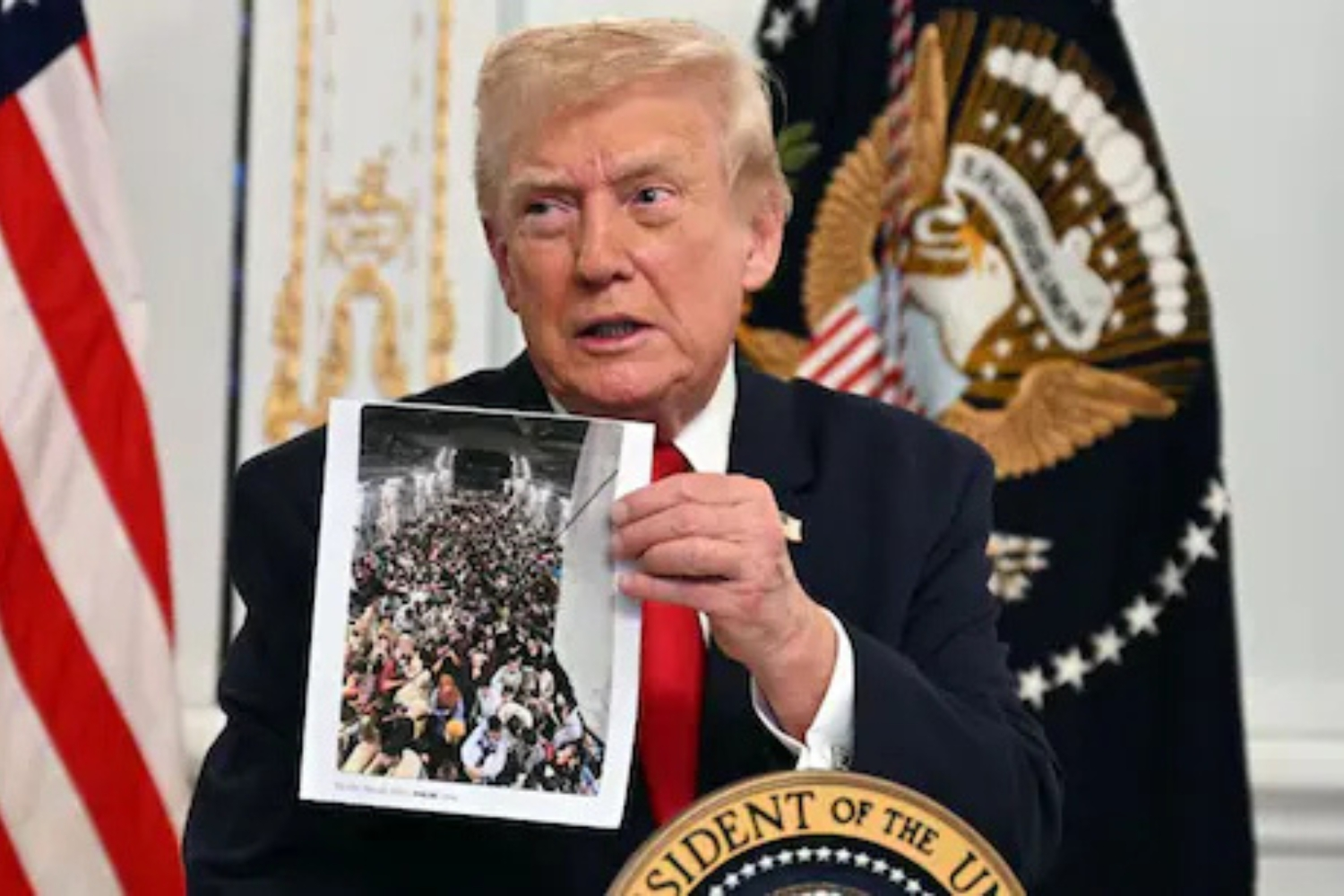
Almost three hours passed as Donald Trump and Benjamin Netanyahu talked, the president later calling it “very good” on Truth Social. Still, nothing fixed or new came out of it. A peaceful path stays his choice, yet he stated plainly – should Iran not accept what America demands – the response would be sharp and certain.
“There was nothing definitive reached other than I insisted that negotiations with Iran continue to see whether or not a deal can be consummated,” Trump said. “A deal is my preference. But if one cannot be reached, we will just have to see what the outcome will be.”
A Diplomatic Crossroads
Talks happen again as pressure grows over Iran’s atomic work. Peaceful aims, Iran says – though many doubt that claim. Seen as a danger to its existence, Israel’s leader insists Tehran must face stronger resistance. For years he has urged the U.S. to act more firmly.
Earlier, ahead of his trip to Washington, Netanyahu made clear that an agreement would need to cover more than just restrictions on uranium enrichment. His office stated Israel demands talks include Iran’s development of long-range missiles along with funding and arms provided to allied factions like Hamas and Hezbollah across the region.
Still, Iran has turned down demands it sees as too much. At a gathering for the 47th year since the Islamic Revolution, President Masoud Pezeshkian made clear his country won’t give in to threats. Though he repeated that Tehran does not want atomic arms, its stance remains firm when faced with terms considered unjust.
Standing firm, Pezeshkian stated Iran would not step back when challenged. Yet, he made clear the door stays open for talks along with outside checks on its atomic work.
Israel’s Strategic Concerns
The situation feels critical for Israel. Six trips by Netanyahu to the United States since Trump came back into power – more than any other global figure – show how closely tied their actions have become. Fears linger among Israeli leaders that Washington, pushing hard for an agreement, may settle on conditions allowing Iran to keep some nuclear capacity, while doing little about missile programs or support for allied militant groups.
Netanyahu openly acknowledged his skepticism about reaching a durable agreement. He stressed that any deal must address “the components that are important to us, to Israel, and in my view also to the entire international community – not only the nuclear issue, but also ballistic missiles and Iran’s regional proxies.”
A good talk happened, the Israeli leader said, highlighting how close he and Trump have become. He called it a solid exchange, referring to the American president as someone truly rare in supporting Israel – steady, reliable, different from past leaders. Their connection came through clearly, marked by mutual trust built over time
Yet some experts think Jerusalem worries history might repeat itself – deals that eased penalties on Tehran but left its atomic capabilities intact. Though unspoken, the concern lingers: concessions given, little taken in return. Past patterns cast long shadows here. Relief came for Iran. The core programs stayed. That memory shapes today’s stance. Not openly stated, yet clear enough. What was gained then feels undone now. Trust wears thin after broken patterns. Promises fade. Structures remain. Quiet anxieties grow.
U.S. Military Pressure
Even though talks are still possible, American forces in the area have grown much larger lately. The USS Abraham Lincoln strike group arrived in the Middle East last month after Trump said attacks might happen if Iran kept suppressing demonstrators and moving forward with nuclear work.
A fleet is already on its way, Trump told Axios in a recent talk. Might send another carrier group too, he added, speaking about military moves in the area
A display of strength aims to hold Iran back while boosting how much sway Washington has at the table. Speaking to Fox Business, Trump said any deal must block nukes along with missile development
Still, some say ramping up military moves might back Iran into a tight spot, possibly weakening talks. Right now, how hard to push without breaking dialogue sits center stage in American planning.
Iran’s Stance Amid Domestic Challenges
Protests spread across Iran last year, testing those in charge. A series of airstrikes – lasting nearly two weeks – hit locations tied to defense and atomic programs, according to reports. The operations came from American and Israeli units working together. While exact outcomes aren’t public, experts say damage occurred at vital facilities. Pressure builds inside the nation just as threats grow beyond its borders.
Right now, Iran might not have strong bargaining power, some analysts say. Vulnerability shows in the regime’s actions, says Mohammed Hafez from the Naval Postgraduate School. The U.S. plus Israel see this moment as one where pressure can shape outcomes.
Moving forward, Iran’s leaders face pressure at home. Give in too far might look like surrender – yet shutting down dialogue risks more penalties or even clashes. Behind closed doors, balance weighs heavily.
Differing Objectives
Fundamental disagreement starts with how each side sees a solid agreement. Success for Trump might mean stopping Iran from building nuclear arms, also curbing its missile programs. Israel views it differently – taking apart Iran’s power across the region matters just as much. The gap isn’t just about goals, but what counts in the first place.
On the other hand, Iran wants fewer penalties and a return to stable trade. It has shown it might slow down some nuclear work if real money flows back into its economy. Still, demands about giving up missiles or cutting ties with regional allies have been turned away.
Folks in Israel’s government may fear Trump cares less about details – what matters most could be simply making an agreement. According to Daniel Byman, who teaches at Georgetown’s foreign affairs school, the concern isn’t just noise – it points to a pattern. His take? The drive for a signed deal might outweigh concerns about what it actually includes. When outcomes fade behind optics, even close partners start watching closely.
Here comes a tough choice. Could settling for less still beat walking away empty handed. A few believe slowing Iran’s steps, just a bit, makes things safer right now. Still others say unfinished deals only push problems further down the road. That moment keeps coming back anyway.
Regional Implications
Folks across the wider Middle East are paying attention. Because how things go in these talks might shift power lines, Gulf countries see it, Europe sees it, others nearby do too.
Success at the table may soften hostilities, bring steadier oil prices, while communication lines slowly come back online. Failure? That path holds a different weight – military clash inching closer, its ripple across world safety unknown.
A trip by Netanyahu shows just how tight U.S.-Israel ties still are. Still, partners who stand shoulder to shoulder might step differently when it comes to strategy. On one hand, Israel pushes hard requirements, aiming at lasting safety above all else. Meanwhile, Washington backs its ally but juggles wider diplomacy and home politics too.
What Comes Next?
Talks are still going on. With pressure rising, Trump seems focused on using talks – but won’t rule out force. Iran says it might engage, though only under certain conditions, never offering too much. Should things stall, Israel insists it will decide its own path, demanding tighter limits first.
Ahead lies a stretch of days that may show which way things tilt – cooperation or clash. Not just capitals feel this pull; it seeps into oil trades, old partnerships near the Gulf, even how nations handle nuclear promises worldwide.
It’s obvious now – the result won’t just shape how history sees Trump’s approach overseas. What happens next could steer Middle Eastern stability far beyond his time in office.
After leaving the White House talks, Netanyahu said ties between them still feel real, near, honest. Outcomes might bring long-lasting peace – or stir fresh tensions across the region. Only time will tell which path unfolds.
The globe holds its breath while talks and warnings move forward together.