

Washington, D.C. WASHINGTON NEW DELHI – United States President Donald J. Trump issued a press announcement on January 5th 2026. The statement combines diplomatic praise of Indian Premier Narendra Modi and a warning that Washington might impose more tariffs on India should it continue to buy crude oil in Russia.
Reporters were interviewed on Air Force One while returning from a trip abroad, the president of the United States, Trump stated U.S. concerns over India’s energy relations with Moscow while he acknowledged the decades-old strategic alliance between the two world’s largest democratic democracies. Trump’s remarks highlight the growing trade conflict that could have implications for wider geopolitical ties, U.S.-India economic relations, as well as the global market for energy.
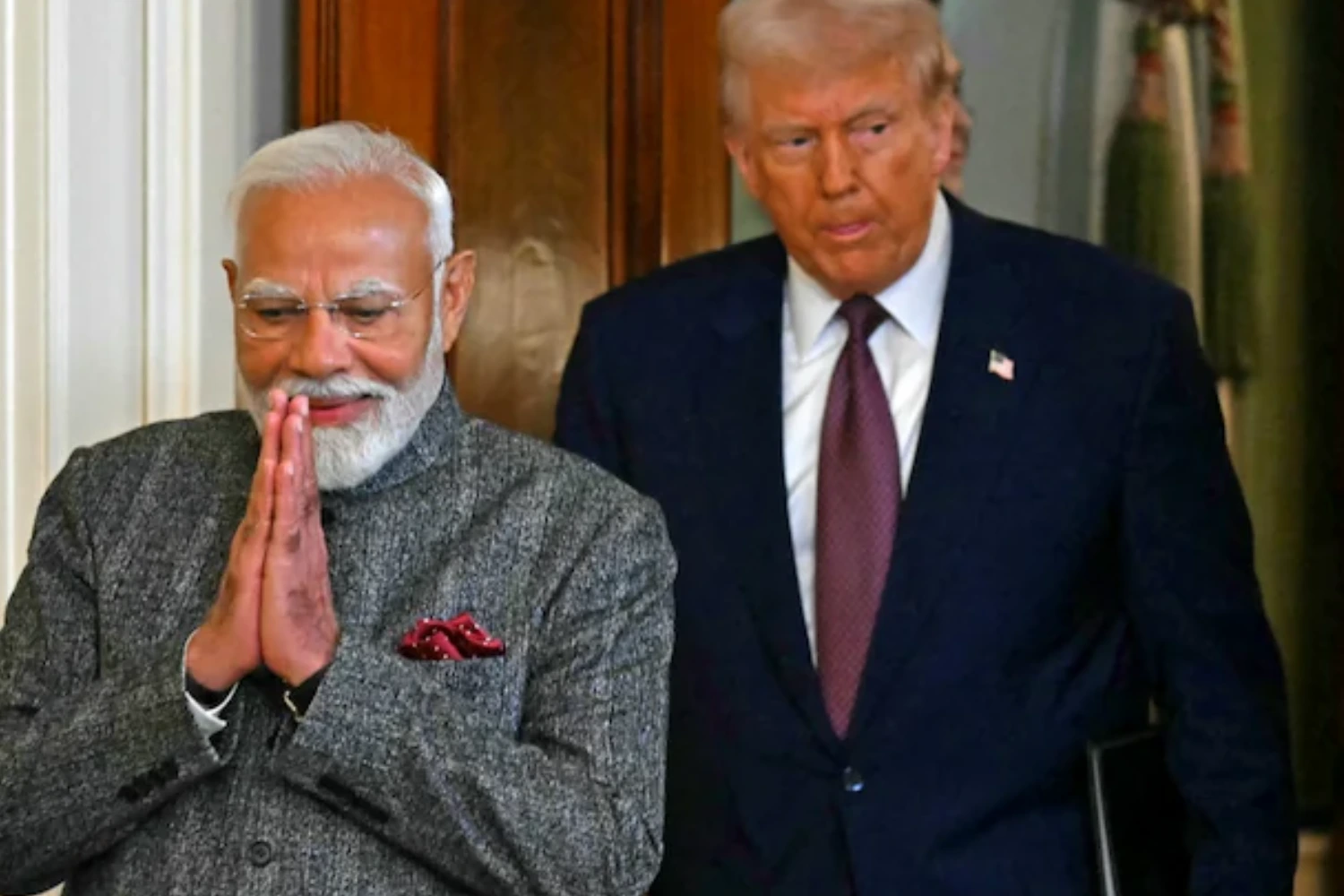
According to Trump India’s top leadership especially the Prime Minister Narendra Modi knows of U.S. displeasure with New Delhi’s continuing purchase of Russian crude oil. “PM Modi is a great guy,” Trump said, declaring the Indian premier as “a decent guy” who “knew that I was not pleased” about India’s oil trade policy. Trump said New Delhi wanted “to make me feel happy,” but reiterated that the U.S. could act swiftly to increase the tariffs for Indian imports if the cooperation in the Russian oil dispute did not improve.
Trump’s remarks reflect two different nuances that reflected his personal awe and admiration for Modi in contrast to a more stern policy regarding U.S. energy and trade policy. “They commerce, but we are able to increase tariffs on them fast,” Trump said, suggesting that the administration is willing to intensify the pressure on the economy.
The context of trade friction
The latest alert comes on the heels of the recent months of increasing tensions between United States and India over bilateral trade and energy policies. In 2025 the Trump administration announced tariffs as high as 50% on a variety of Indian products including half of which were additional taxes tied to the purchase by New Delhi from discounted Russian oil. These tariffs targeted important Indian exports like pharmaceuticals, textiles and other products, attracting large attention within Indian the political and industry.
The U.S. government has publicly stated that the tariffs are part of a larger strategy to press countries to keep relations with Russia during the current conflict in Ukraine. Trump and certain members of his administration claim that buying Russian crude can provide financial aid to Moscow which could prolong the military’s campaign to Ukraine — a view which has been embraced by certain American government officials and policymakers from other countries.
Trump’s stance on tariffs and oil has been a part of broader U.S. energy policy, including recent military action in oil-producing regions elsewhere and countries, which Washington has declared as strategic actions related to energy security in the world.
Indien’s Energy Strategy and Government Position
New Delhi has consistently defended its importation policy of Russian oil based on pragmatic reasons rather than geopolitical alignment. Indian officials claim that securing secure and affordable energy sources is crucial to sustaining India’s economic development and security needs in the energy sector. Russia is one of India’s major crude oil producers, providing affordable prices that support the country’s refineries as well as downstream industries.
Indian government officials have stressed the fact that energy trade decisions are made in the country’s economic interests, not under the direction from external pressure. In earlier responses on U.S. commentary, the Ministry of External Affairs has stated that India’s energy import decisions are influenced by market forces and the need protect the consumer interests of its customers.
In response to the threats of tariffs, New Delhi has also implemented measures to enhance transparency in its import information. This includes requiring weekly updates by refiners in India on their the purchases made of oil crude from Russia along with other foreign countries indicating an increased willingness to respond to international scrutiny, despite the fact that India remains true to its policy choices.
In-progress Discussions and Diplomatic Engagement
The comments made on Sunday of Trump came as Trump were made while diplomatic officials from the two countries continue to engage in negotiations focused on resolving trade disagreements and restoring bilateral economic relations. Officials from India as well as America United States have engaged in discussions in recent months to resolve issues with tariffs and concerns about market access and other issues that have slowed progress towards an agreement on trade that is comprehensive.
Despite the discussions, they have had to be renegotiated. The huge tariff burden has made diplomatic progress difficult, while both sides been unable to come up with a mutually agreeable structure for trade that is able to balance U.S. concerns over Russia and India’s national priorities.
In Washington the lawmakers who are with the president Trump have emphasized the connection between energy policy. U.S. Senator Lindsey Graham, who was said to be aboard Air Force One at the moment of Trump’s remarks said that the tariffs were helping to reduce Indian purchase of Russian oil, which is a reflection of the wider popular support U.S. for hardline economic sanctions against nations that trade with Moscow.
Strategic Relationships and Wider Implications
Trump’s two contradictory remarks — applauding Modi while warning of economic penalties reveal the intricate dynamic in the U.S.-India strategic relationship. Both countries have traditionally collaborated in counterterrorism, defense as well as geopolitical issues within Asia Pacific. India is seen by a succession of U.S. administrations as a crucial partner in balancing China’s influence. Both parties have often stressed their common democratic principles and potential economic growth.
However, trade disputes related to Russia have strained this relationship. India’s involvement in multilateral groups like BRICS and its desire to strengthen relations with Moscow may have been divergent in line with U.S.-led efforts to sever Russia economically. Washington’s tariff strategy aims to encourage the adherence to its sanctions regime, however New Delhi’s energy demands and geopolitical considerations have made it difficult to achieve the process.
Analysts point out that this policy divergence can have wider implications for the global energy market supply chains, as well as geopolitical alliances. In a time when countries are weighing the strategic goals they have against pressures from powerful power, India’s delicate balancing act shows the complex nature of diplomacy on the international stage in the current era of shifting geopolitical tensions.
Reactions from stakeholders
Industries within India have expressed their concern about the escalating tariffs, warning that a prolonged period of high duty rates can affect the competitiveness of key export industries. Some exporters have described tariffs as an “severe setback” warning of the potential impact on trade balances and employment in the event that duties are not reduced.
However, those in those in the United States supportive of Trump’s policy argue that the tariffs are required to impose global sanctions on Russia and to limit Russia’s capability to fund the military activities of its adversaries. They argue that leverage from the economy is an essential tool in diplomatic relations, especially when the interests of a specific geopolitical region are at the risk.
Future Engagement Prospects Future Engagement
As of the beginning of the month of January 2026, both countries have entered a tense phase of relations. As high-level talks are ongoing and both governments stress the importance of keeping strategic and trade relations on the right track, a most important issue is how to balance India’s energy requirements in line with U.S. expectations in the context of the conflict between Russia and Ukraine.
Some observers suggest that the upcoming talks between trade negotiators as well as possible bilateral talks between leaders of different nations could assist in clarifying the way forward. But any changes in trade policy or energy agreements will likely be contingent on wider geopolitical trends, such as the outcome of the conflict between Russia and Ukraine, as well as changes in the global oil market.
The president’s recent public statements highlight the difficulty of reconciling alliance building with the competing demands of geopolitics and economics — a problem that both Washington as well as New Delhi will continue to overcome in the coming months.