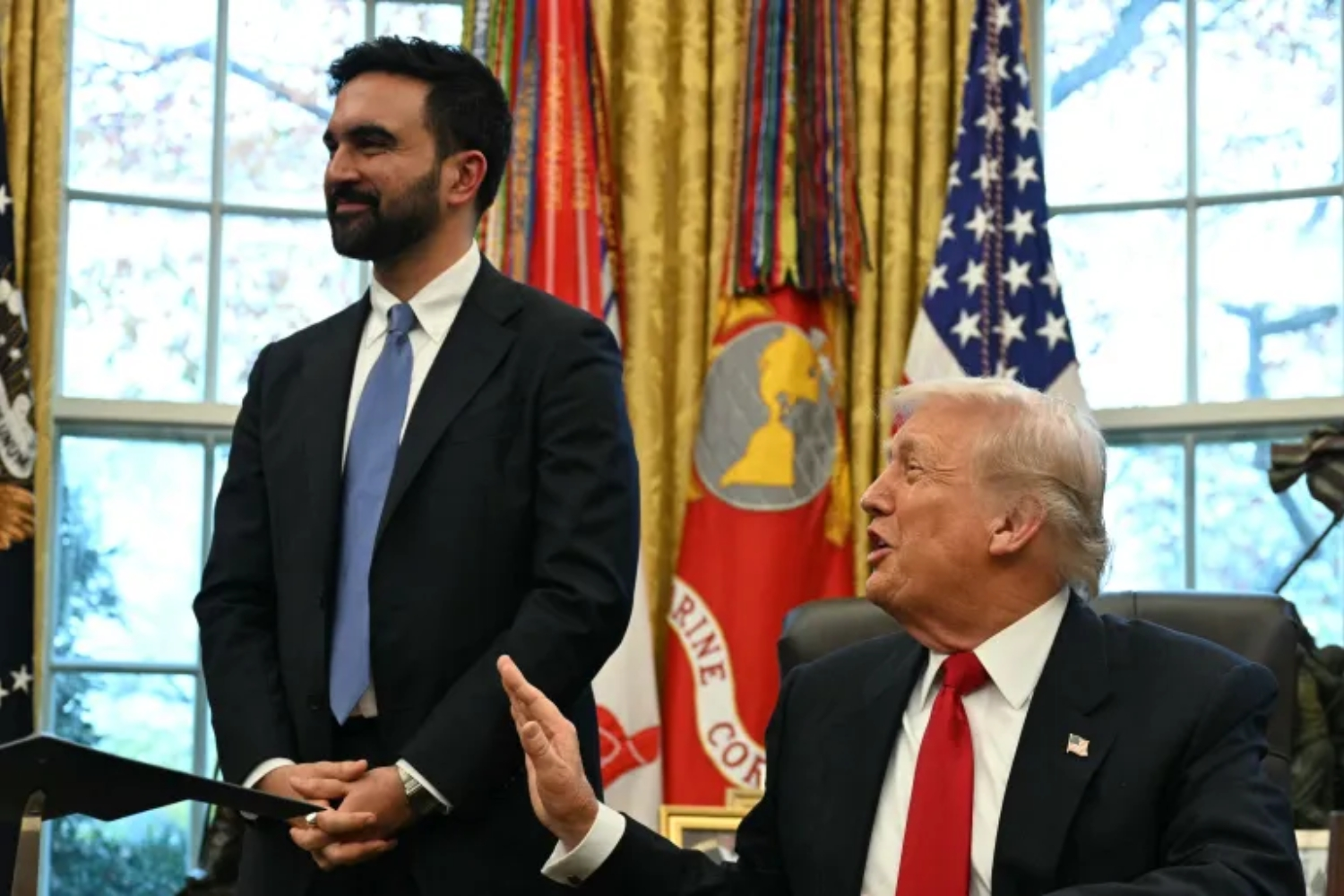


BANGKOK/PHNOM PNH — The former U.S. President Donald Trump has pledged on Tuesday to personally intervene in order to stop the increase in fights among Thailand and Cambodia as the border war dragged on into the third day of fighting and sparked the possibility of a regional conflict. Trump has played an important part in brokering a prior ceasefire between these two Southeast Asian neighbours earlier this year, informed supporters at a rally at a campaign event in Pennsylvania that he would call his counterpart to end the violence.
In front of a large audience, Trump recalled his earlier efforts to help create a ceasefire in July and an agreement to end the war in October between the two nations. He suggested that renewed intervention from him–despite holding no official role in the current U.S. administration–could help de-escalate hostilities. “Tomorrow I’ll have to make a calls,” he said, noting that the situation on the Thai-Cambodian border was at an unsafe point and required urgent attention.
Renewed Fighting Disrupts Fragile Peace
The latest escalation of violence began just three days ago after weeks of increasing tensions as well as public disputes between the two governments on accountability for border security violations. Thailand earlier this month announced the suspension of de-escalation measures reached at the October summit. The summit, which was which was held under intense international pressure, was seen as a major step forward after months of fighting and failed diplomatic talks.
Bangkok justification for its suspension was the incident which severely injured an Thai soldier who was working in the border region that is contested. Thai authorities claimed the landmine was recently placed in the region by Cambodian forces, and characterized this as an obvious violation of the peace treaty. Cambodia has, however, dismissed the allegations as unsubstantiated and politically motivated, arguing that the landmines are remnants of conflict zones for decades that both sides worked to remove.
The conflicting claims rekindled old grievances between the two countries and led to new firefights between the two countries. The military officials of the two governments have reported multiple rounds of small-arms battles, with each accusing the other of starting conflict.
Heavy Casualties and Mass Evacuations
Although military casualties have attracted considerable attention, it’s their impact on the civilian population has highlighted the seriousness of the situation. Cambodian officials confirmed the deaths of nine civilians and 20 wounded in the bombardment in the border villages. Thai authorities, in turn confirmed the deaths of four soldiers as well as injuries sustained by 68 people.
Massive evacuations have already started. Humanitarian organizations in Cambodia declare that more than 200k people have been evacuated from areas close to the border and Thai provincial officials also reported similar numbers of evacuations. The number is increasing steadily as the fighting continues. Shelters, schools and community centers throughout both countries are converted into emergency accommodation facilities.
The authorities on the two sides have advised citizens to avoid areas of conflict, warning the situation could escalate in the event that diplomatic talks do not restart. Local officials have described scenes of chaos with families taking refuge on motorbikes, truck and farm vehicles with whatever possessions they can collect within minutes.
Diplomatic Stalemate Deepens
The efforts to come up with a diplomatic way to move forward are still in limbo. Thailand’s Foreign Minister declared in a statement on Tuesday, that there is at present “no possibility” for involvement of third parties in peace talks, indicating the firmness of his position against outside mediation. This is a reflection of a wider perspective of Bangkok that the war should be handled in a bilateral manner and that foreign intervention can exacerbate the situation.
However, a senior advisor of Cambodian Premier Hun Manet claimed that Phnom Penh was “ready at any time” to begin negotiations to end the conflict. The adviser emphasized the importance of Cambodia in restoring stability, saying that prolonged violence could severely impact economic growth as well as trade cross-border, which both nations rely on.
The divergent positions point to the growing tensions in the international community and analysts warn that unless both sides rethink their strategies, the conflict will not end quickly. Political analysts in Southeast Asia note that Thailand’s political landscape, which has been with recent leadership changes–may influence its rigid stance, whereas Cambodia attempts to present its openness to dialogue to keep international acceptance.
Trump’s Role and Potential Influence
Trump’s decision to intervene raises concerns about his role on the continent, particularly because he’s not in the office at present. However, his previous participation in working to broker ceasefires gained him respect from both sides. A ceasefire in July, that was able to temporarily stop months of border wars was reported to have occurred in the wake of Trump called directly to the leaders of both sides.
Some analysts believe that Trump’s strategy, often dependent on personal relationships and unconventional negotiations–may be able to force both sides to end the war, if only temporarily. But others are cautious and insist that resolving the territorial dispute at root requires a structured dialogue as well as multilateral engagement and long-term trust building and cannot be achieved by impromptu interventions on its own.
It’s not clear who Trump will be contacting or if any engagement has been initiated. The government has not publicly commented on Trump’s remarks or officials at within the U.S. State Department have not yet stated any official American involvement in the current war.
Regional and International Concerns
The increase in violence has sparked alarm across Southeast Asia, with several countries and regional agencies watching the situation closely. Strategic and economic analysts warn that prolonged instability could affect travel routes, impact tourism, and attract other regional powerhouses.
Humanitarian groups have been urging both governments to prioritise the safety of civilians and provide an immediate relief agency access. It is believed that the United Nations has not yet released a formal statement, however it is currently evaluating what is happening through regional office.
Outlook Uncertain
While fighting persists, and diplomatic channels are blocked the border conflict is likely to escalate to become one of the biggest conflicts among Thailand as well as Cambodia in recent times. Whether the Trump-promised intervention will open the way for dialogue — or whether fighting could escalate prior to talks can resume is not certain.
As of now, civilians living on the border face increasing risk, soldiers continue to face daily firefights. And both governments are locked in their places. With lives at risk and the stability of the region at the brink, upcoming days will be crucial in the determination of whether peace or conflict is the way to go.