

Surprisingly, news of the new trade deal between India and the United States sparked hope across Surat’s bustling markets. Not just any sector – textile mills and jewel makers stand out as top beneficiaries. Because Washington may lower import taxes, local exporters see room to grow fast. One jeweller said orders could double or even triple by year-end. Though exact numbers remain unclear, many factory owners are already adjusting production plans. Even so, results depend heavily on how quickly rules get applied. For now, quiet confidence fills workshops and showrooms alike.
Happy with the deal, traders pointed to New Delhi’s active push in trade talks as a reason for the good outcome. Because of India’s expanding deals with nations like those in Europe, officials in Washington felt pressure to rethink their tax rates on imports.
Textile Exports See Renewed Growth
A shift is happening in Indian textiles, says Ashok Jirawala. As head of the All Gujarat Textile Federation, he spoke with ANI about what comes next. The recent pact marks a clear change, one shaped by long-term moves on world markets. Leadership matters, he notes – especially when tied to trade vision. Under Narendra Modi, choices have built up momentum across industries. This moment fits that pattern, though quietly. Not loud, just steady.
“This is the magic of the Modi government. The US administration realised that it could lose market share because India has already closed important trade deals with other countries,” Jirawala said. “I believe tariffs will be reduced even further in the near future.”
Noticing how key the U.S. is, Jirawila pointed out that it still takes more Indian fabric shipments than any other country – things like clothes, window coverings, bed linens, even custom materials. Quality and fair prices are why buyers there keep asking for them, he said.
Edge Over Nearby Competitors
Not far off from earlier comments, Ranganath Sharda – holding the role of Secretary at Ashoka Market and deeply involved in exporting textiles and garments – noted that lower tariff rates could tilt favor toward Indian sellers when stacked against nations like China, Pakistan, or Bangladesh.
“This is a big decision for the industry. Our exports had slowed down due to higher tariffs, but now, with an 18 per cent tariff, we believe exports will double or even triple,” Sharda said.
He says India sends about ₹25,000 crore worth of textiles to the US today. With the fresh deal, numbers might climb toward ₹50,000–75,000 crore. What really matters? Tariffs from the US on Indian goods are now smaller compared to those on China, Bangladesh, and Pakistan. That shift gives local exporters a stronger edge, he pointed out.
Sharda also pointed to India’s progress on trade negotiations with the European Union as a strategic factor. “The India-EU trade deal has strengthened India’s global position. If tariffs on Pakistan and China remain high, Indian exporters will gain a clear advantage. We expect sales to rise by 100 to 150 per cent,” he added.
Jewellery Industry Welcomes Lower Tariffs
Folks in the jewellery world felt just as upbeat. Welcome came swiftly from Nainesh Pachigar, who leads the Indian Bullion and Jewellers Association in Gujarat, on news of the lowered tariffs – though he’s watching for a day when those duties vanish completely.
“Our entire industry welcomes this trade deal,” Pachigar said. “The US has now agreed to reduce tariffs after discussions with our Prime Minister. This reduction to 18 per cent will help restart exports that had come to a halt.”
Exports of Indian jewelry to the US once made up close to 35 per cent. Yet high tariffs threw off the rhythm of trade. Should those duties vanish, shipments could rise back to where they were. The agreement now in place moves things forward. That kind of progress matters.
India US trade deal highlights
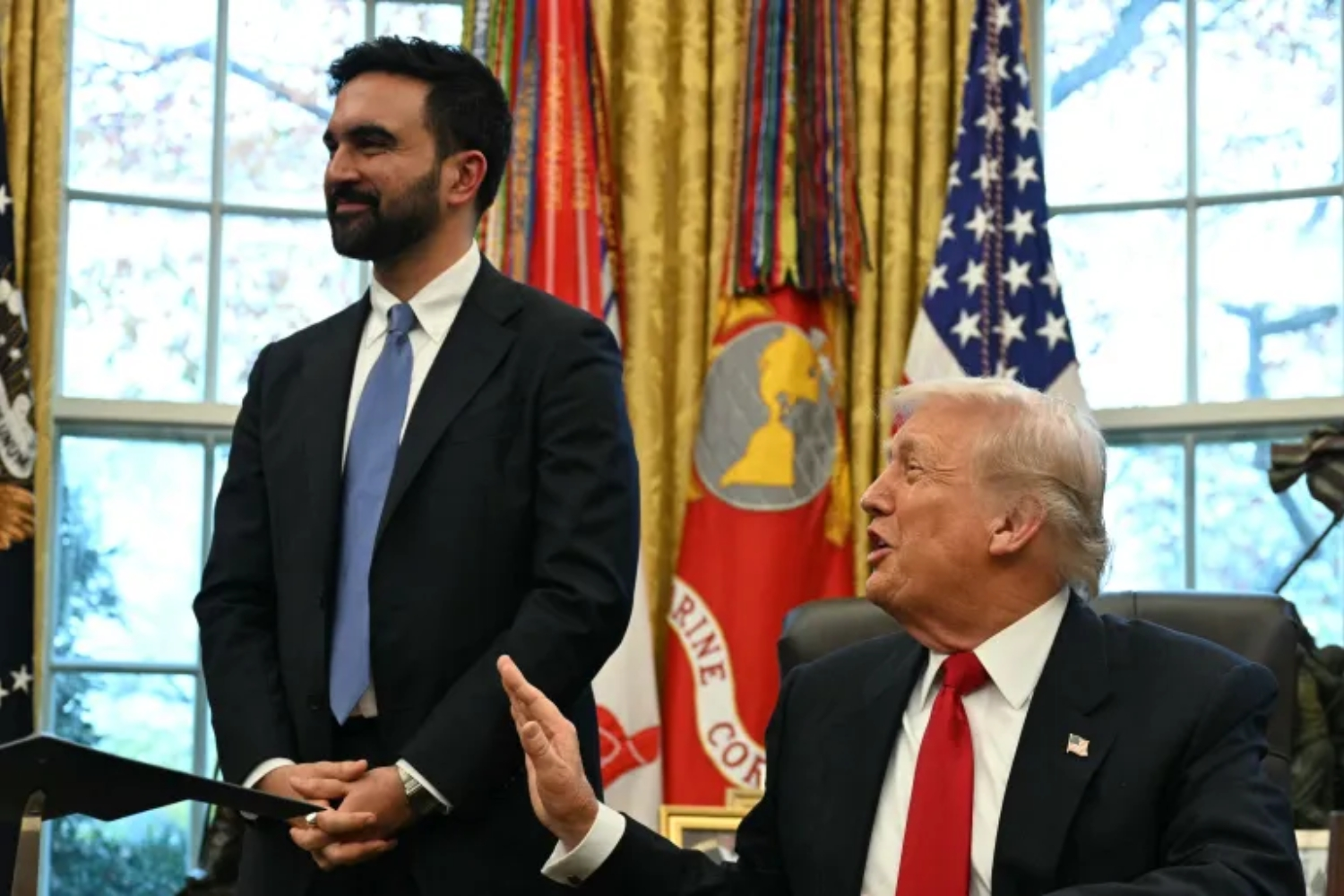
On February 2, after talks between top leaders, India and the US sealed their trade agreement. Once Trump and Modi made it public, American duties on Indian products dropped – shifting from 25 per cent down to 18.
Now gone is the extra 25 percent penalty tax the US slapped on because India bought Russian oil. This shift, analysts say, could calm frayed trade nerves. Confidence may creep back into markets where fear once slowed decisions.
Economic Ties Strengthened Investor Trust Grows
What stands out to many top figures isn’t merely a shift in tariffs. Instead, they view it as groundwork for deeper ties between Indian and American economies. Manufacturing links may grow tighter because of it. A better climate for companies doing cross-border work could emerge from this move.
Expectations rise on better trust from investors, thanks to fresh openings for those shipping goods abroad – India’s role in worldwide production lines looks stronger. Now that import taxes feel lighter, areas like fabric making, clothing, and fine ornaments may see life return slowly.
Now that factories in Surat are gearing up for busier times, folks there feel this deal could shift how India and the U.S. work together on trade – less lopsided, maybe even fairer. While some remain cautious, most see it as a turning point, one where both sides finally start meeting halfway.