

Agreement to Expand Trade Manufacturing and Travel
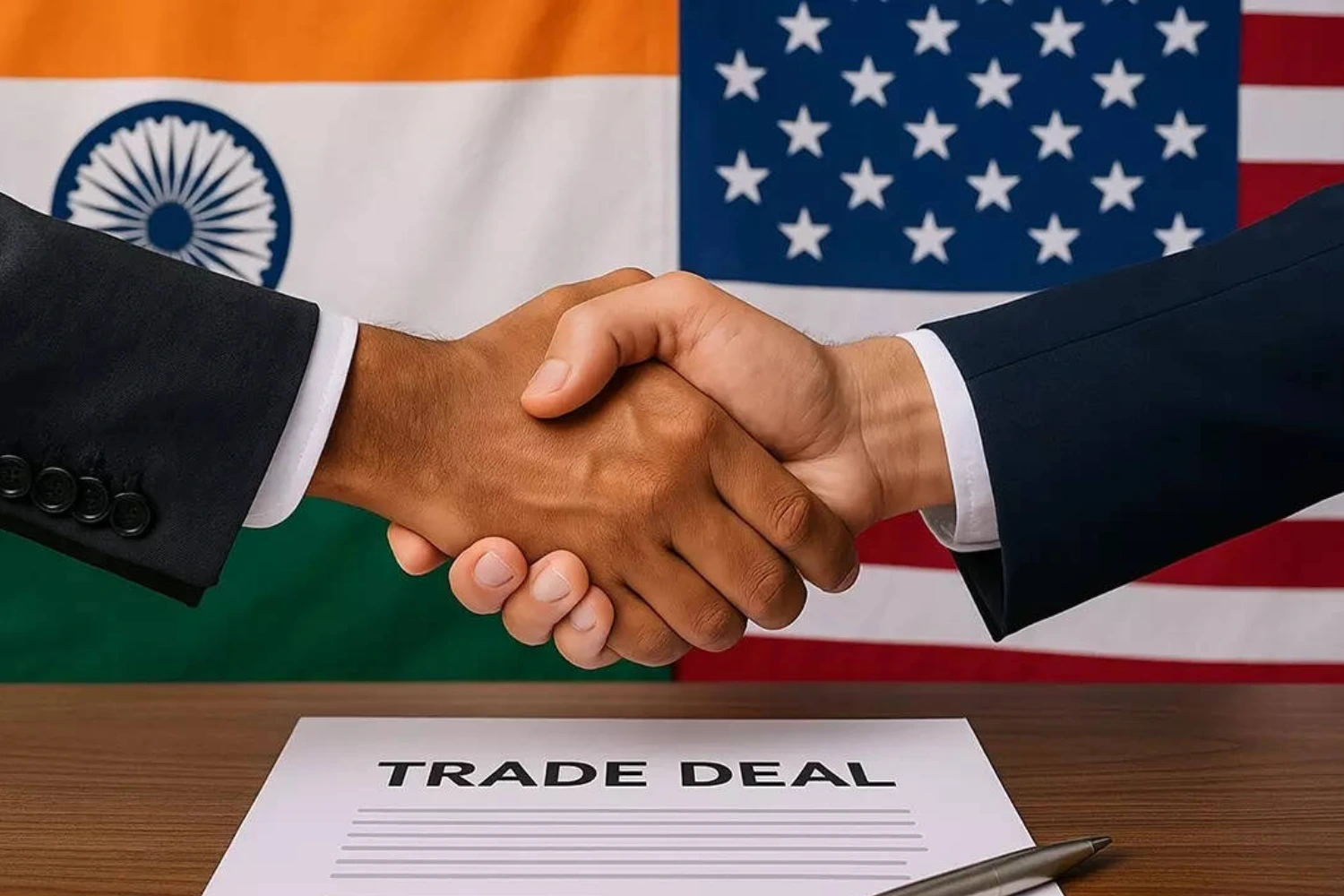
Out of the blue, India and the EU sealed a major trade pact after almost two decades of talks that kept starting and stopping. This breakthrough arrived just as global power shifts put pressure on Western alliances. With strong words flying – Modi called it historic, von der Leyen dubbed it monumental – both sides see bigger gains ahead. Not so long ago, progress seemed stuck, but now momentum has shifted fast. Ties are set to grow tighter while US relations face strain behind the scenes.
One deal might just open doors between India and Europe’s twenty-seven nations, linking economies that make up close to a quarter of the world’s output. With nearly two billion consumers now more connected, movement of products and expertise may shift in ways experts haven’t seen before. Some sectors could grow faster, thanks to smoother access across borders. Ties in funding and how things get delivered might deepen, changing how businesses plan ahead.
Starting off, the EU plans to scrap import taxes on many Indian goods – things like chemicals, machines, electric gear, even planes and space gear – by cutting them step by step. Motor vehicle duties, which sit at up to 110 percent in India right now, are set to fall down to 10 percent, but only if shipments stay within a limit of 250,000 cars each year. That cap is way bigger than what India gave the UK just one year ago; back then it was only 37,000 units allowed.
On the flip side, Indian consumers will soon pay less on European goods like wine, beer, and olive oil. In return, most items made in India can enter EU countries more easily. Textiles lead the list of winners, followed by leather, seafood, handmade crafts, and gemstones. Tea joins them too, along with coffee, spices, and packaged meals, all facing lower charges abroad. Still, some local industries stay protected – milk, grains, chickens, soya feed, plus select produce remain off-limits to full exposure. Growth gets a push, yet home needs aren’t ignored.
“This is India’s biggest free trade agreement,” Prime Minister Modi said. “It will make access to European markets easier for India’s farmers and small businesses. It will also boost our manufacturing and services sectors and promote innovative partnerships.”
A new part of the deal covers movement, making it easier for workers from India and the EU to visit each other temporarily for jobs. Because of this setup, leaders believe connections between citizens will grow stronger, learning across professions can spread, while companies may work together more quickly.
Now is when India and the EU find themselves squeezed between U.S. economic moves and wider world pressures. Last year’s American tariff hikes hit Indian exports hard, while worldwide trade nerves stay frayed. Over in Europe, officials watch closely, hoping to steady things as trade rules keep shifting underfoot.
“This is the tale of two giants – the world’s second and fourth largest economies,” von der Leyen said during the announcement in Delhi. “Two giants which chose partnership in a true win-win fashion. A strong message that cooperation is the best answer to global challenges.” European Council President António Costa added that the agreement sends “an important political message to the world that India and the EU believe more in trade agreements than in tariffs,” a subtle reference to the current US trade stance.
A lifeline may come to India’s job-heavy industries – like shrimp farms, clothing makers, fabric mills, alongside gem and jewelry workshops – after years of setbacks due to American import taxes, experts suggest. Still, hurdles linger ahead. Meeting tough European rules on green practices plus systems for balancing emissions will require careful steps forward, according to economist Mitali Nikore. The country’s factories aren’t completely ready, yet she sees room to grow rather than risk.
One thing clear for Europe: the pact brings some steady ground when world trade feels shaky. Germany, France – big players – should see real benefits, despite hopes falling short of that dream “super” plan once imagined. Not every expert shouts victory; instead they call it groundwork, more like a starting line than a finish. This deal? It opens doors, yes – but mostly sets the stage.
Later this year should bring the official signature, once the European Parliament and national governments give their go-ahead. Even though lawmakers just shut down a pact with South America’s Mercosur group, sources say the India-EU deal has fewer sticking points – compromises already shaped around key concerns on each end.
Talks between India and the EU now stretch past commerce into areas like safety, military coordination, and environmental efforts. Security matters took centre stage when India’s Rajnath Singh sat down with European Commission figure Kaja Kallas. Their conversation covered ways to shore up naval vigilance alongside digital defences. Strengthening how weapons systems move across borders also came up during discussions. A working blueprint for collaboration is taking shape, focused on reliable networks in critical industries. Innovation in high-stakes fields gets a boost through shared goals. Trust forms the backbone of what both sides aim to build together.
Trade ties between India and the EU have strengthened lately, hitting $136 billion in goods exchange by 2024-25 – almost twice what it was ten years earlier. Talks started back in 2007 yet froze in 2013 because of clashing views on entry rules and regulations. However, discussions restarted in July 2022, while fresh US tariff moves seem to have pushed both sides closer to sealing an accord.
Not long ago, India started moving fast on global deals. Seven months brought new ones with Britain, Oman, then New Zealand. Before that, arrangements with Australia and a group of small European nations began running. This latest deal fits right into that pattern – quiet steps adding up across continents.
This big moment between India and the EU unfolds under global eyes, seen by many as more than just business. It opens doors for growth while quietly building trust between nations. Instead of standing apart, both sides move closer through shared goals. Uncertainty still shadows international markets – yet here, collaboration takes root. The agreement stands out, not because it promises everything, but because it begins somewhere real.