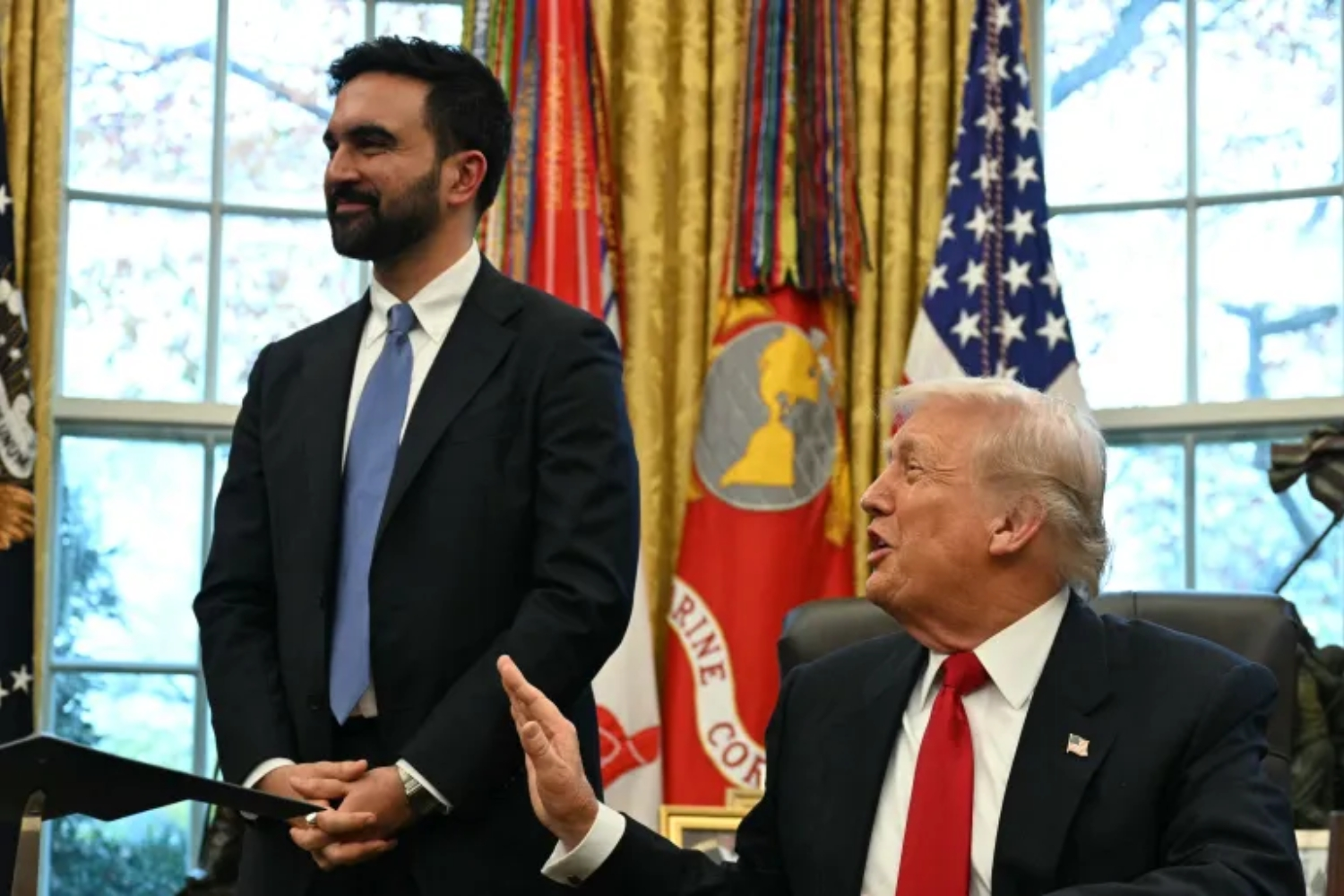


Do Kwon, the crypto mogul and founder of Terraform Labs, has been sentenced to 15 years in prison in the U.S. Do Kwon’s charges involve fraud and market manipulation connected to the collapse of his crypto empire. The court ruled that Kwon masterminded deceptive schemes to lure investors and Terraform counterfeit various crypto tokens and used that fake value to inflate the price for his own capitalistic gain.
These were the actions that Clayton revealed in the press release and he also made the point that if it is fraud then it doesn’t matter where it is committed. Clayton also added that “Wherever the criminals hide, we will find them”.
The Case Details
According to the superseding indictment and several court documents, conspiracy to commit fraud in the crypto market was supposedly Kwon’s idea from 2018 to 2022. The primary purpose of these schemes was to deceive investors in cryptocurrencies that ATM invented by Kwon’s co-found company (Terraform Labs) in 2018.
Among other things, Terraform Lab became famous for the Terra blockchain, which was sold on the market with the help of algorithmic stablecoins that were labeled as the “Terra Protocol”. The use of the word “stablecoin” is quite questionable in this case.
The most talked about of those stablecoins was called TerraUSD (UST) and it was launched in September 2020. The stablecoins were promoted as being able to retain their value even in times of extreme market fluctuations. However, officials say that this is a completely fabricated story.
According to the U.S. Department of Justice, the core products of Terraform were utilized in such a manner that it gave the appearance of a decentralized financial system that was working perfectly. In this case, the misuse of these products served one purpose only, that is to enable Do Kwon to do price manipulation on the cryptos related to the TMF.
It was alleged that Kwon and his co-conspirators were in possession of a large amount of these tokens while the tokens were traded among themselves to push the market rates higher. Investors were deceived by these artificially elevated prices hence they were induced to purchase the tokens under the trojan horse of trust.
The result of these actions was that Kwon and his partners were able to swap billions of other assets for their inflated tokens. Basically, this was how they got enriched at the expense of other investors who believed in the inflated value of these tokens.
Upon the uncovering of the truth behind the activities of Do Kwon, he is said to have devised a cleverly orchestrated media campaign to divert people’s attention from the actual fraud he was committing. The campaign which was planned to fool people into thinking everything was alright was just one of the methods Do Kwon used to protect his own reputation and to support his continuation of profiting from the manipulated system. Furthermore, it was alleged that Kwon tried to buy political protection abroad so as to escape prosecution for his criminal actions.
The case has spotlighted the increased risks of the crypto industry as regulators are still looking into the lack of oversight and transparency that exist in the digital asset markets. The case of Kwon is a blatant example of how fraud and manipulation can be posted to the blockchain world and it evokes serious questions about the requirement of the investor’s protection through a stricter regulation framework.
To sum up, Do Kwon’s sentencing to 15 years in a penitentiary closes a long investigation relating to one of the most prominent crypto scandals in the past few years. His misdeeds will be instrumental as a warning to others who might want to imitate him in the crypto industry.
Moreover, the movement against regulating the digital asset sector is further advanced with the case where the offenders are the one being held accountable for the fraudulent activities that not only impact the market but the global investors as well.