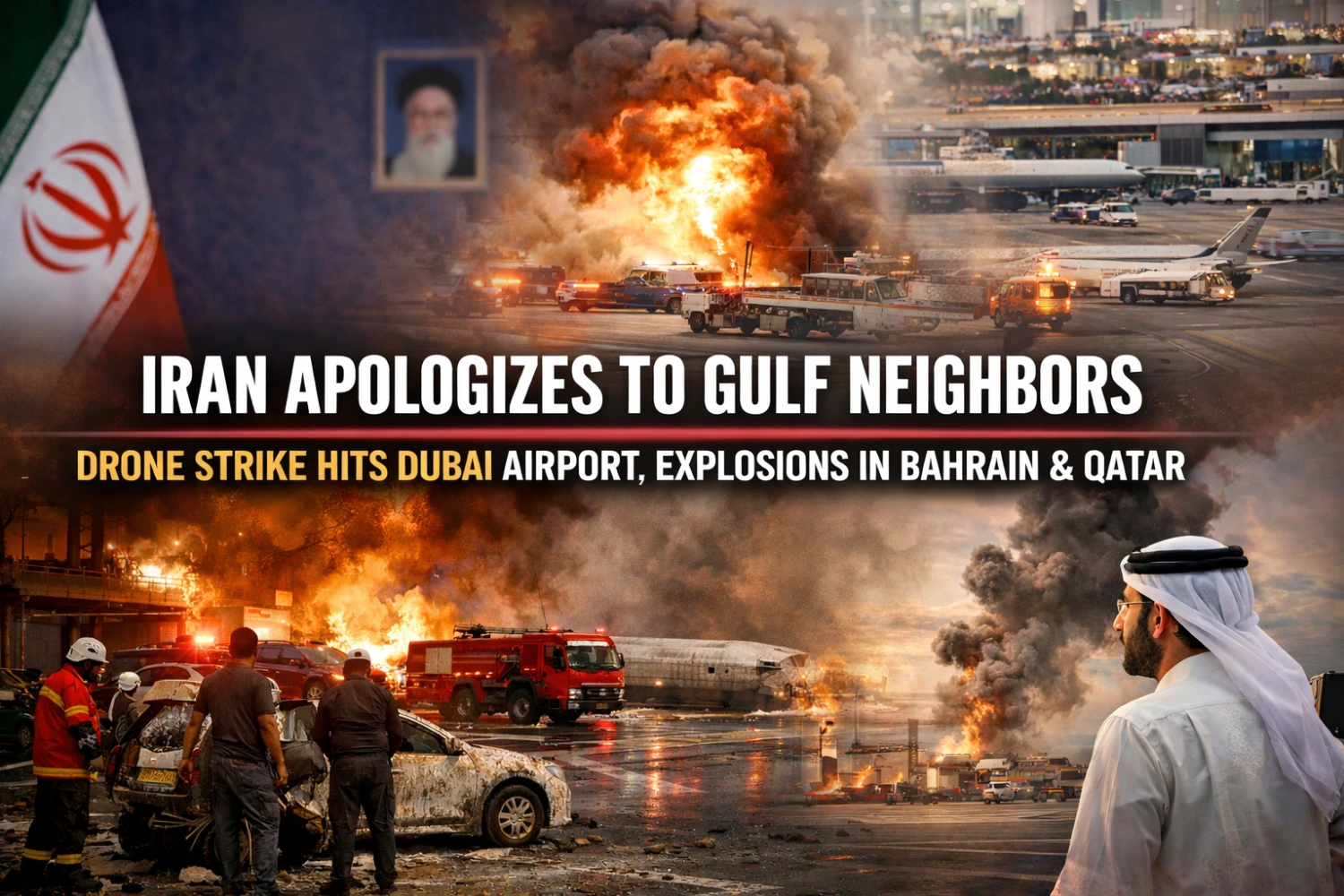


Now comes word that Ali Khamenei has died, ending his long rule over Iran. His time in power stretched across thirty years, shaping nearly every part of life there – politics, armed forces, belief systems. Change follows when someone so central steps away, even if only by passing. The region feels it too; decisions made in Tehran reached far beyond borders. Wars shifted because of choices he backed. Sanctions came, voices from abroad demanded change – he stayed unmoved. Inside Iran, society morphed slowly under watchful control. Stability was claimed one day, unrest flickered the next. Power never left his hands, yet questions grew behind closed doors. What happens now is uncertain – but different.
Now gone, he exits a nation split down the middle: armed forces sturdier than three decades prior, though cash strapped and communities pulling apart. What comes after shapes how history judges him – resilient architect or chance unseized. Back when Khamenei stepped into office in 1989, right after Ruhollah Khomeini died, Iran stood worn thin. A full decade soaked in war with Iraq gutted wealth, broke spirits, cut ties abroad. Most doubted someone without deep clerical weight like Khomeini could hold things together – yet he did.
Over years, though, he learned how Iran’s mix of rule worked – half religious government, half elected one. Even when voting happened, real power stayed close to him: courts answered to him, soldiers followed his lead, TV messages came through his hand, also the elite Guard that held heavy influence.
Loyalty grew in conservative circles because he shaped it himself, yet small openings appeared for reformers – just enough, though never beyond his reach. His grip held firm, year after year, by staying in control of that balance. Not inside Iran alone did his presence take root. Outside mattered just as much. Alliances formed with groups outside state structures, militant ones, tied loosely but purposefully to Tehran. Power moved outward through them, like roots spreading under stone. Defense shifted ahead of the border, not waiting at home. Enemies met far from Persian ground. Analysts called it forward defense. He made it work without grand declarations. Quietly, connections thickened across regions. Authority stretched further than armies could march.
Out here, Hezbollah and Hamas started shaping the backbone of that web. With political backing, cash flow, military gear – Tehran stretched influence across regions, linking Persian Gulf shores to Mediterranean edges.
When it reached full strength, the area network offered Tehran greater security and leverage. Still, it boosted Khamenei’s standing with backers who saw him resisting American and Israeli power while backing Palestinians.
Few saw it coming, yet the cost started adding up. Detractors point out how keeping the network running sapped funds Iran could barely spare, while pushing global penalties even further. At first, it offered an edge – slowly though, that advantage turned into strain.
Nuclear Goals and Conflict
West saw Iran’s nuclear work as a threat. Started long ago by the Shah, it came back under Khamenei. The country always said its goals were only for energy. Yet doubts grew across Europe and America about hidden military aims.
After sanctions hit, things got tougher fast. Oil shipments slowed down due to limits. Money transfers? Often stopped mid-flow. Outside companies pulled back their cash. The economy took a serious blow because of it. Growth sputtered. People felt the squeeze day by day.
Deep down, judging Khamenei’s time in power stirs debate. Those who stand by him say Iran kept its independence despite heavy outside pressure, because he wouldn’t give in to demands he called foreign bullying. On the other hand, critics point out how hardship – rising prices, joblessness, money losing value – hit regular people hardest.
Still no clear answer. Could pushing back have been essential? Or did standing up only deepen the pain that might have been sidestepped?
Domestic Governance Between Stability and Suppression?
Under Khamenei, Iran didn’t fit neatly into boxes. Voting happened every so often, though only approved names appeared on ballots. People talked openly about issues – up to a point. Step beyond that line, force came down without delay.
Outrage sparked the 2009 Green Movement after vote counts stirred doubt, followed by crackdowns that jailed people and took lives. Years later, unrest bubbled again – not once but twice – first when money troubles pushed crowds into streets in 2019, then once more in 2022 as limits on daily life fueled anger among younger citizens.
Frustration rippled through many of Iran’s youth, stirred by money troubles alongside tight social rules and being left out of power. On college grounds, fake figures representing the top leader went up in flames – a sign old ideals were cracking under new voices.
Still, views split on this point. While one side says strict actions kept disorder at bay – like what unfolded elsewhere across the Arab region – the opposite view claims crackdowns only widened distrust, weakening trust in government over time.
Economic Record Shows Growth and Limits
Even under sanctions, Iran saw real gains in some fields. Over time, people started living much longer. Medical services reached more folks across the country. Women, in particular, made big strides when it came to reading and education.
Still, big economic problems stuck around. Again and again, prices shot up fast. Young people found it tough to land jobs. Relying too much on oil made the country shaky when outside forces hit. Rich circles tied to power figures fed a sense that fairness was missing.
Still, things feel worse even though life got better on paper. Could be the penalties from abroad. Might also be poor choices at home. Truth probably sits in the middle. Pinning it all on just one misses how tangled it really is.
The Final Years Pressure Everywhere
Later in life, Khamenei wrestled with growing pressures from within and outside Iran. When Israel hit sites tied to Tehran across Syria and further, it weakened Iran’s grip abroad. Tough economic times stirred deeper frustration among citizens at home. Talks with global powers swung unpredictably – now leaning close, now pulling back.
Should those accounts prove true – of his death in surging warfare – the weight lingers quietly. Not in speeches, but in timing: a man whose rule stood on defiance now gone when tensions snapped into battle.
Yet symbols fail to address the urgent issue of what follows.
Succession at the Edge
Power in Iran flows from the Supreme Leader. Though there are bodies meant to handle leadership changes, Khamenei’s personal reach leaves a gap no structure can fully close.
Out of his leaving comes trouble, yet also a chance. A door shuts here, another creaks open there. With him gone, things could go wrong – or maybe finally shift toward something different
- Power fights could flare up inside between those who dig in their heels and those who look for workable fixes.
- A shift might invite tougher demands from outside forces. Moments of change often weaken resistance to interference. Outside influence tends to grow when stability fades. Pressure builds just when defenses drop. Vulnerability opens doors others may walk through.
- A shift might tilt one way, perhaps opening doors to change. Yet it could just as easily tighten control further.
What happens next rests on the choices of those in power – followed by whether ordinary Iranians push back or go along. Decisions made behind closed doors might hold less weight if streets begin to stir. Power shifts when silence breaks. People act once they see a chance. A single misstep could tip things either way. Calculations change fast when crowds grow loud.
A Balanced Look at His Legacy
One might paint Khamenei as unyielding in defense of independence. Yet others see him as someone who blocked change through strict control. Truth sits somewhere deeper than that picture.
Power grew under his watch, stretching Iran’s reach deep into distant struggles. Yet years dragged on with penalties from abroad, heavy control at home – people quietly hoping for something different by the end.
What really matters isn’t just if he made it or fell short. Instead, consider this
- Was lasting peace in Iran strengthened by his approach, or was tomorrow traded for rigid beliefs? Stability – did it grow, or vanish beneath fixed ideals?
- Maybe peace talks would’ve kept independence without hurting the economy so much.
- Maybe holding back would’ve weakened the radical roots of the nation.
Reasonable observers disagree.
The Broader Middle East Impact
Power shifts in Iraq, Syria, Lebanon, and Gaza bear Khamenei’s mark. When he dies, plans in those places could shift. Without firm direction, groups that stood together might drift apart. Enemies may push harder, watching how Tehran responds. Some nations could raise tensions – others might quietly reach out.
When power shifts in tight-knit hierarchies, turbulence tends to follow. Yet chance openings sometimes appear where few expect them.
The End of an Era
Out here, where dust settles slow, the passing of Ayatollah Ali Khamenei marks something quiet yet deep. Not since revolution cracked open old orders has one voice held such weight through decades shaped by conflict. Thirty-five years stretched under his gaze – foreign stances carved firm, domestic power drawn tight. Now silence takes its turn.
What remains sits between victory and loss. Layers show up in quiet ways – strength that bends, stubbornness that breaks; moves ahead here, steps back there.
A turning point has arrived for Iran. The path chosen – clinging to conflict or shifting course – will decide more than just its fate; the ripples will stretch across the region. How things unfold from here hangs on choices made behind closed doors.
Now things are different. Nobody knows what comes next – maybe not knowing is exactly what defines right now.