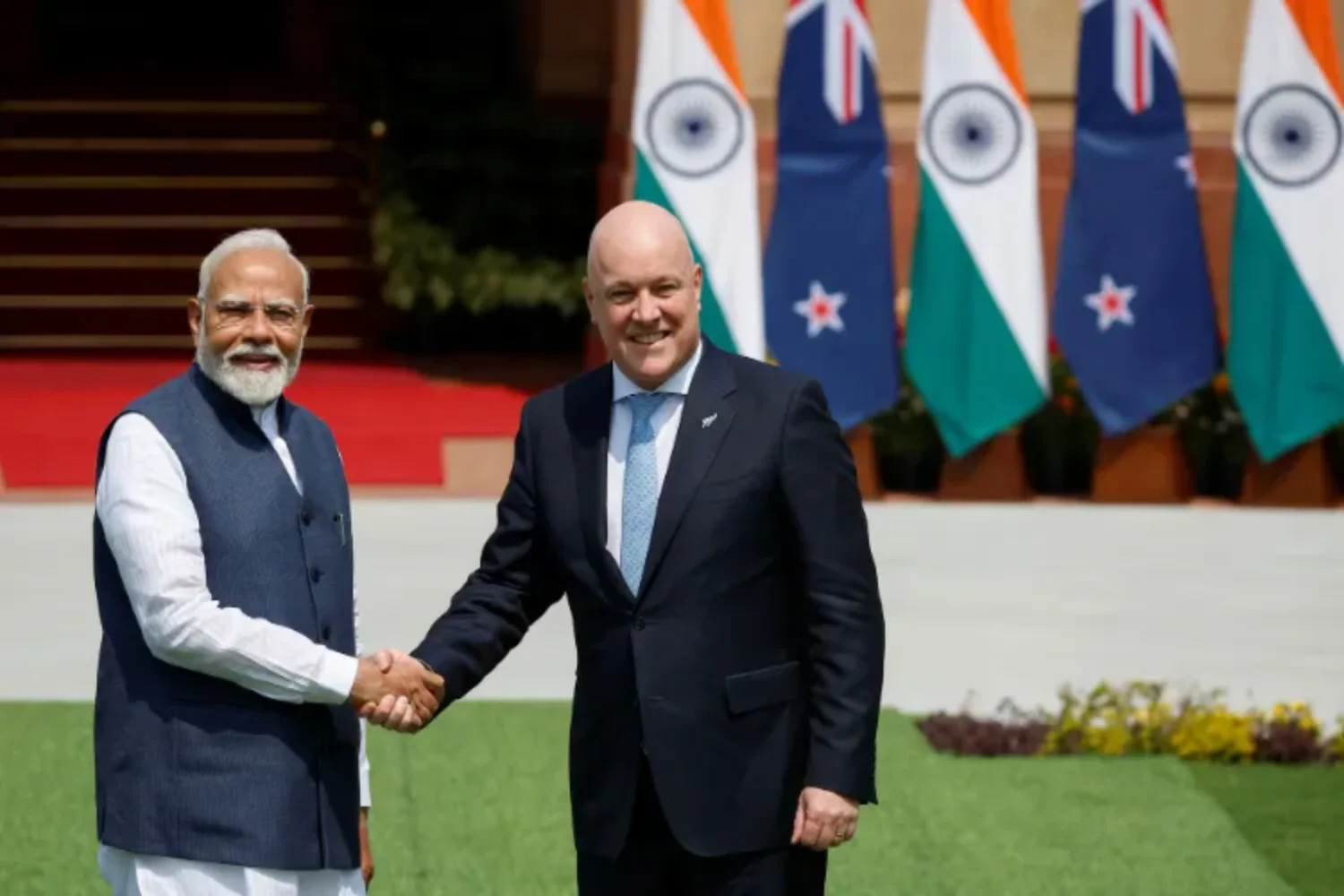


A fresh moment in ties between India and Brazil began when Prime Minister Narendra Modi met President Luiz Inacio Lula da Silva in New Delhi. At Hyderabad House, deep inside the city’s core, talks unfolded beyond usual diplomacy. Instead of repeating old steps, both leaders leaned into stronger bonds – shaping shared goals across strategy, trade, tech. With quiet momentum, two major Global South powers are quietly reshaping how they work together. Not loud, yet clear in intent.
Lula’s trip to India, happening between February 18 and 22, meant more than just meetings on paper. His sixth time stepping into the nation speaks of years woven into shared moments. Standing near Rashtrapati Bhavan, he met flags, salutes, and open arms – a scene painted with quiet regard. Modi stood beside Murmu that morning; their presence spoke before words began. A military honour followed – given only when visitors matter beyond routine.
A Meeting Outside the Rules
Not just rituals matter in high-level talks – real conversation shows how world dynamics shift. Though seen as champions of developing nations, Modi and Lula push for fairer rules in global decision-making. Instead of mere symbolism, their time together in New Delhi became a chance to reassess ties and adjust course amid changing power balances. Each discussion point carried weight beyond the handshake moments.
Earlier, India’s foreign office said talks would touch shared relations, plus matters both sides care about across regions and worldwide. Regional topics flow into wider conversations at international gatherings where both countries take part. Updates to how nations work together globally stand as one point on the agenda. Subjects like smart machines, online systems used by governments, shifts in weather patterns, and scarce metals appear too. These choices show attention aimed more at what lies ahead instead of old connections holding focus now.
Still, just because countries talk alike about the Global South doesn’t mean their goals match. India and Brazil may both be big democracies, yet they face separate challenges based on where they are located. While Brazil focuses on Latin America, India turns attention toward South Asia and the Indo-Pacific – areas that don’t necessarily connect. What matters most is whether these similar views lead to joint efforts within global organizations. Only then will the depth of cooperation become clear.
AI and the Global South
That trip lined up with President Lula showing up at the second AI Impact Summit. The Brazilian envoy in India, Kenneth da Nobrega, called the event a turning point for poorer countries. He pointed out how PM Modi made space for less wealthy nations during the fast-moving shift into artificial intelligence.
Out of nowhere, artificial intelligence began shifting how nations compete economically and manage their systems. Not far behind, India and Brazil started exploring joint efforts in tech-driven infrastructure, quietly eyeing long-term gains. One after another, Indian innovations like Aadhaar and UPI gained attention – real-world tools now studied beyond borders. Meanwhile, down south, Brazil noticed: a vast population using digital services could benefit from tested blueprints. Without fanfare, shared views on managing data and access have begun taking shape between them.
Yet one deeper issue remains on the table. Might India and Brazil shift from talking about tech to building shared systems for invention? Working together on studies, setting common rules for artificial intelligence, swapping skilled professionals online – these steps demand structures that go past promises made at high meetings.
Trade and economic engagement moving beyond promises
Still topping the list, Brazil holds its spot as India’s biggest trade ally across Latin America and the Caribbean. Growth in shared commerce keeps moving forward, lifted by farm goods, power-related deals, medicine supplies, because of rising demand for key raw materials. On this trip, President Lula opened ApexBrasil’s debut hub in New Delhi – a quiet step that hints at deeper business ties ahead.
Not just politicians fill the rooms where Lula walks – ministers by the dozen, hundreds of executives tagging along, fifty or so at the top of their companies. Instead of mere handshakes, there’s a forum built for deals, turning speeches into supply chains.
Still, there’s a question worth considering – what slows trade growth when politics align so well? Distance plays a part. So do shipping expenses. Rules get in the way too. One thing leads to another: since both nations grow large amounts of food, they often face off abroad instead of balancing strengths. Solutions might emerge through better customs processes. Agreements focused on particular industries could help. Closer links between businesses may matter just as much.
Working together since 2006
Years ago, India linked up with Brazil as strategic partners. Since then, their work together has grown – touching areas like defence and clean power. Renewables play a role too, along with research into rare minerals. Medical supplies move between them, quietly shaping health access. Space missions find shared ground, while labs exchange findings now and then. Farm methods get compared more often than you might think. On global stages, both push for updated UN rules. Climate talks see similar voices from each nation. Fighting terror stands as another joint aim.
Working together on global stages like the G20 and BRICS has become routine. Meetings between the two heads pop up often at world gatherings, take for example their chat in New Delhi during the 2023 summit or the one that followed under African skies in 2025. That trip by PM Modi to Brazil’s capital, months after sunlit talks in South Africa, stood out – it was something unseen since the late sixties. Momentum quietly built with every handshake, each event adding quiet weight.
Yet even with shared goals among leaders, the systems for working together remain loose. When defense efforts stretch over years, when factories open under combined effort, or when power networks shift through mutual steps, trust grows beyond speeches. Such moves turn distant talks into something seen, touched, felt.
Diplomacy of Chemistry or Structure?
Folks noticed how well Modi and Lula seem to click – Brazil’s envoy called it a strong connection. Outcomes in global talks sometimes hinge less on policy, more on whether leaders genuinely get along. Still, when such warmth lacks lasting structures behind it, things might stumble once the smiles fade.
One step could be building teamwork using government networks, lawmakers talking across borders, researchers working together, or steady deals on trade. This kind of bond tends to survive changes in leadership on either side.
Global Rules and Changes
India pushes for change in world power structures – so does Brazil. Big countries, big voices, both elected systems serving millions. Their stance? Let more poorer nations sit at the table where choices are made. Power should shift beyond old centers. Seats in groups like the UN Security Council need reshaping. Fairness matters when rules affect everyone. Growing economies deserve a say. Not just tradition guiding who leads.
When it comes to climate shifts, common ground appears. The vast Amazon within Brazil gives it heavy weight in worldwide green talks. On its path forward, India weighs growth against lasting care for Earth – its choices shaped by uneven burdens shared across nations.
Still, getting things lined up remains tricky. When views align on paper, they need backing through joint moves at global talks. Should India back Brazil – or Brazil support India – on changes due tomorrow, impact might grow fast. What matters is moving together when moments matter.
A Forward-Looking Agenda
Now here’s where things could head next. Ways to work more closely might unfold through energy projects, education exchanges, trade links strengthened by shared goals, tech innovation shaped by mutual needs, environmental efforts tied to real outcomes, plus joint approaches on global challenges that affect both nations alike
- Renewable energy partnerships, especially in biofuels and solar.
- Working together on artificial intelligence, online rule systems, one area blends into another through shared effort in financial technology.
- Firms across medicine and health now link more closely. Connections grow through shared efforts on research, supply chains improve as teams work together beyond borders.
- Critical minerals and supply chain diversification.
- Friendship grows when students share classrooms across borders. Learning each other’s history builds quiet understanding. When artists tour abroad, they carry more than music. School partnerships create unseen bridges over time. Shared knowledge sticks longer than slogans ever do.
Later on, talks between President C.P. Radhakrishnan and Foreign Minister S. Jaishankar with President Lula will highlight how wide-ranging the trip really is.
Symbolism and Strategy Together
Out there on his sixth trip to India, President Lulu walks into yet another round of talks that just keep building. Greeted with full honors, he steps straight into meetings where both sides trade ideas instead of promises. Business leaders tag along, meeting behind closed doors while deals quietly take shape. Over at the AI Impact Summit, speeches swap flash for substance, focusing less on grand claims and more on real outcomes. Each move fits like a piece others have already set in motion.
Success won’t show up in shared declarations or friendly handshakes between officials. What counts comes down to actual results: trade numbers climbing, tech projects built together, unified stances in global forums, long-lasting systems that hold firm.
Brazil and India, both large democracies down south, might just change how nations work together on trade and rules. Yet whether talk turns into real steps – that’s what really matters.