

Ahmedabad:
On Monday, India and Germany moved closer together by launching new steps to deepen ties. Defence cooperation got a fresh boost, followed by changes in how people move between nations. Travel rules now allow Indians with passports to pass through German airports without needing a visa. Trade discussions opened up clearer paths forward, while schools began talking about shared programs. Each agreement came one after another, not rushed, just steady. Together, these moves form something bigger than any single deal.
A quiet shift followed hours of discussion between Indian leader Narendra Modi and Germany’s Friedrich Merz, meeting for the first time during Merz’s debut trip to Asia. Morning light touched Ahmedabad as the German head landed, bringing along top industry figures – a sign of deeper ties forming across borders.
19 Agreements Signed to Deepen Cooperation
After the discussions, 19 deals were signed under the watch of both leaders – one laid out steps for working together on defence manufacturing, another opened doors between universities, while yet a third turned attention to telecom links.
Early progress on the India–EU free trade deal got a boost from top officials, who see it sparking stronger business ties across borders. A quicker finish line might just open doors nobody expected.
Visa Free Transit Enhances Travel Connections
Travel just got simpler for Indians flying through Germany. A new rule lets them pass without a visa. This change came out of recent talks. It helps workers, learners, those visiting family, or exploring Europe. Crossing German hubs like Frankfurt or Munich now takes less paperwork. The shift shows stronger ties between India and Germany. People moving between both nations gain flexibility. Rules still apply but the path is clearer.
Officials pointed out rising exchanges of students and professionals from India to Germany. This move should deepen ties among citizens across both countries, they added.
Defense and security in the Indo Pacific region
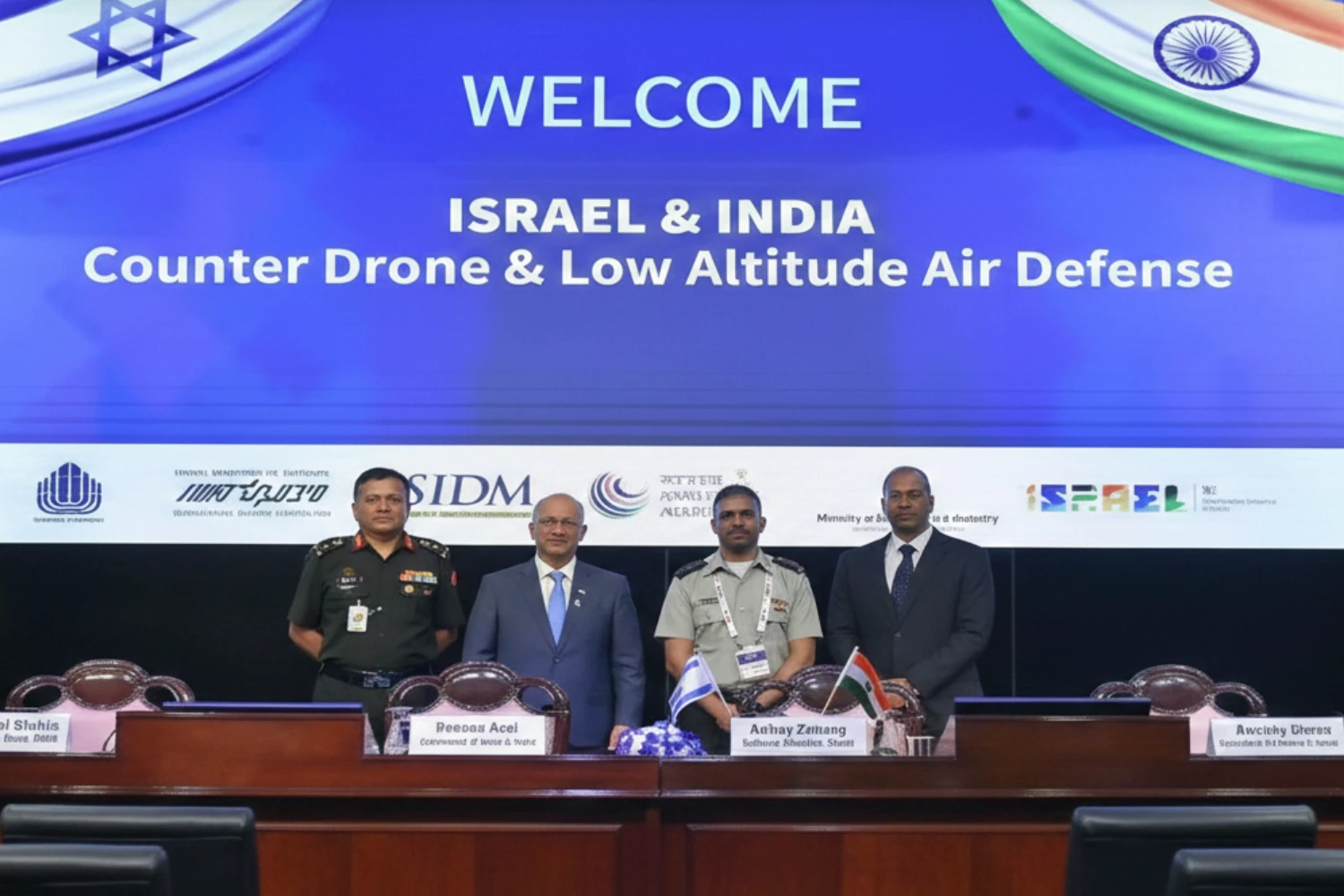
Not just about weapons, the growing military cooperation shows a deeper bond – built on common ground and quiet confidence between the two nations
“We will work on a roadmap to enhance cooperation between our defence industries, opening new avenues for co-development and co-production,” he said, thanking Chancellor Merz for simplifying procedures related to defence trade.
One leader said again they back a Pacific area that stays open and fair. So did the other, stressing rules nations follow together, especially those in the sea agreement under the UN. A fresh talk setup between them begins now to keep this going. Tensions have been rising lately around these waters. That is mostly because one country has been pushing its war strength harder than before.
Trade Routes Shift With Renewable Power Growth
Trade between India and Germany now tops 50 billion dollars, a level never seen before. That figure reflects stronger ties, according to Prime Minister Modi. Momentum is building in their strategic relationship. Growth like this shows deeper collaboration unfolding behind the scenes.
“More than 2,000 German companies have a long-standing presence in India. This reflects their confidence in India’s growth story,” he said.
Trusted links between nations should grow stronger, especially where minerals and chips are concerned. Dependence on just one source? That worries Merz. Supply routes turned into tools of pressure – that kind of move he wants avoided. Resilience matters when raw supplies are at stake.
A standout moment came through teamwork on green hydrogen, when Prime Minister Modi described their large-scale shared effort as reshaping tomorrow’s power supply
Skills Education and Workforce Mobility
Folks connecting across borders came up often when Chancellor Merz spoke, with a spotlight on how Germany now needs more trained workers from India – nurses, helpers at home. That call keeps growing louder.
Germany may soon see more Indian health workers arrive, thanks to a fresh deal on skills cooperation. About 300,000 Indians live there now, along with close to 60,000 students. The pact could make it easier for these professionals to move. People already in the country might find new chances open up. Movement between the two nations could shift in subtle ways.
Inviting German universities to set up campuses in India, PM Modi highlighted that the new higher education plan will shape future academic ties.
United Opposition to Terror
Together, they denounced every kind of terror – especially attacks across borders – noting joint efforts ahead on disrupting militant groups and their money flows.
Last April, violence struck in Pahalgam – then again in November, in Delhi. These events drew sharp criticism. The response demanded worldwide efforts, grounded in legal norms, to take apart hidden networks that shelter extremists.
Global Challenges and Changes in Organizations
Out of a long conversation, new thoughts emerged between PM Modi and Chancellor Merz about world tensions. On matters like Ukraine and Gaza, perspectives were shared without holding back. Peace, India made clear once again, must come through talking – not fighting. The path forward, they agreed, lies in steady talks, not force.
One point both brought up was changing how world organizations work. Working together in the G4, they restated their push to reshape the UN Security Council.