

A stringent set of anti-pollution measures has been put in place in the Delhi government since Thursday. Cars with BS-VI engines are not allowed to enter the capital city. Fuel stations are now instructed not to accept vehicles with legitimate PUC (Pollution Under Control) certificates. This move is aimed at reducing the severity of the winter smog problem that has gripped the city.
Automated number plate recognition (ANPR) cameras are already in use at petrol stations across Delhi. Vehicles that are not in compliance are immediately detected by these devices. The system imposes penalties and fines on those who violate. The rules are in force until the Phase IV of Graded Response Action Plan (GRAP) is lifted.
Around 12 lakh vehicles that commute every day from cities in the vicinity are affected. More than four lakh vehicles coming from Noida as well as two lakhs from Gurugram and 5.5 lakhs from Ghaziabad are subject to entry bans. Faridabad plays a major role in this figure as well. People who commute to work, office workers and logistic operators must adapt rapidly.
The background for the Delhi’s Air Pollution Emergency
Delhi’s battle with air pollution gets more intense each winter. A thick layer of dangerous air pollution blanketed all of Delhi’s city early on Thursday. Visibility fell dramatically in areas such as Najafgarh in which haze hung over neighborhoods and streets. According to the central pollution control board’s Sameer app, the AQI was 356 around 6 AM, and classified it as very poor.’
Pollutants get trapped close to the surface when temperatures fall. The calm winds hinder dispersion which can cause severe pollution of the air. Automobiles are responsible for up to 40% of the particulate matter (PM2.5 as well as PM10) in high-traffic areas. The burning of sludge from nearby states, emissions from industrial processes and dust from construction add to the issue.
Historical data shows recurring patterns. The winters of 2019-2024 witnessed AQI levels surpassing 400 times before getting into’severe’ territory. Hospitals are reporting increases in respiratory illnesses, asthma attacks, as well as cardiovascular issues. The elderly and children are most impacted by exposure to long-term stress.
GRAP stages are activated in a gradual manner in the Commission for Air Quality Management (CAQM). Stage IV is the most stringent actions, which include construction stoppages as well as odd-even vehicle restriction. Enforcement of BS-VI is an essential component of this emergency procedure.
Specifics of what is known as the BS-VI Engine Restriction
BS-VI engines that are compliant are mandatory for all vehicles that enter Delhi. The older BS-III or BS-IV vehicles are banned from entering Delhi during GRAP Stage IV. Petrol pumps refuse fuel to vehicles that aren’t compliant. Cameras ANPR scan numbers plates in the database of VAHAN alerting violations in real-time.
PUC certifications must have validity and be verified digitally. Spot checks are carried out at border crossings and fuel stations. Diesel vehicles are under greater inspection due to their emissions. The electric and CNG cars get exemptions and access priority.
The law affects private vehicles, taxis, two-wheelers as well as commercial vehicles. Interstate trucks and buses reroute through designated corridors. Ride-hailing companies such as Uber and Ola suggest BS-VI conformity for drivers. The public transport system is promoted through free DTC bus rides as well as Metro incentives.
Information provided by the Delhi Transport Department estimates 12 thousands of daily traffic flows. Noida alone has more than four lakh vehicles on DND Flyway. DND Flyway. Gurugram’s traffic is soaring through the Delhi-Gurugram expressway. Ghaziabad is responsible for 5.5 lakh vehicles through The Delhi-Meerut Expressway. Faridabad increases the stress on Mathura Road corridor.
Enforcement Mechanisms Implemented
The robust enforcement system has been implemented throughout Delhi’s borders. 580 police officers have been entrusted to conduct vehicle inspections. 37 enforcement vehicles are located at the checkpoints of 126. Teams of departments like the Transport Department, Municipal Corporation of Delhi (MCD), and Food & Supplies Department monitor petrol pumps.
Border crossing points like Singhu, Tikri, and Ghazipur have seen a lot of deployment. Drones as well as CCTV networks assist in monitoring. Mobile apps let citizens submit complaints about violations. Fines start at Rs10,000 for the first offence, increasing for subsequent offenses. The impounding of vehicles is allowed in the case of serious violations.
Petrol pump operators are subject to penalties for serving vehicles that are not compliant. Training sessions will help employees recognize the BS-VI badges, and also can scan PUC QR code. Integration of digital devices with Parivahan portal makes it easier to verify.
Announcement and Official Relative
The announcement was made in the presence of Delhi Environment Minister Manjinder Singh Sirsa on Tuesday. “Curbing high emission vehicles is vital in times of extreme pollution,” the minister said. Health protection for the public was highlighted as the primary objective. Officials believe that restrictions targeted at the source result in measurable improvements in AQI.
GRAP Stage IV activation occurred Wednesday night as AQI surpassed 350. CAQM coordinates multi-state efforts. Nearby NCR states also implement measures such as truck bans or dust control.
The previous GRAP implementations cut AQI to 20-30% in just a few days. The restrictions on vehicles have reduced NOx as well as PM emission considerably. Research conducted by TERI shows that the restrictions are effective in dense urban areas.
The impact of Daily Commuters and Economy
There is likely to be chaos on major roads. There will be traffic jams when crossing borders. Alternative routes such as Peripheral Expressways are recommended. Public transport and carpooling are urged through awareness campaigns.
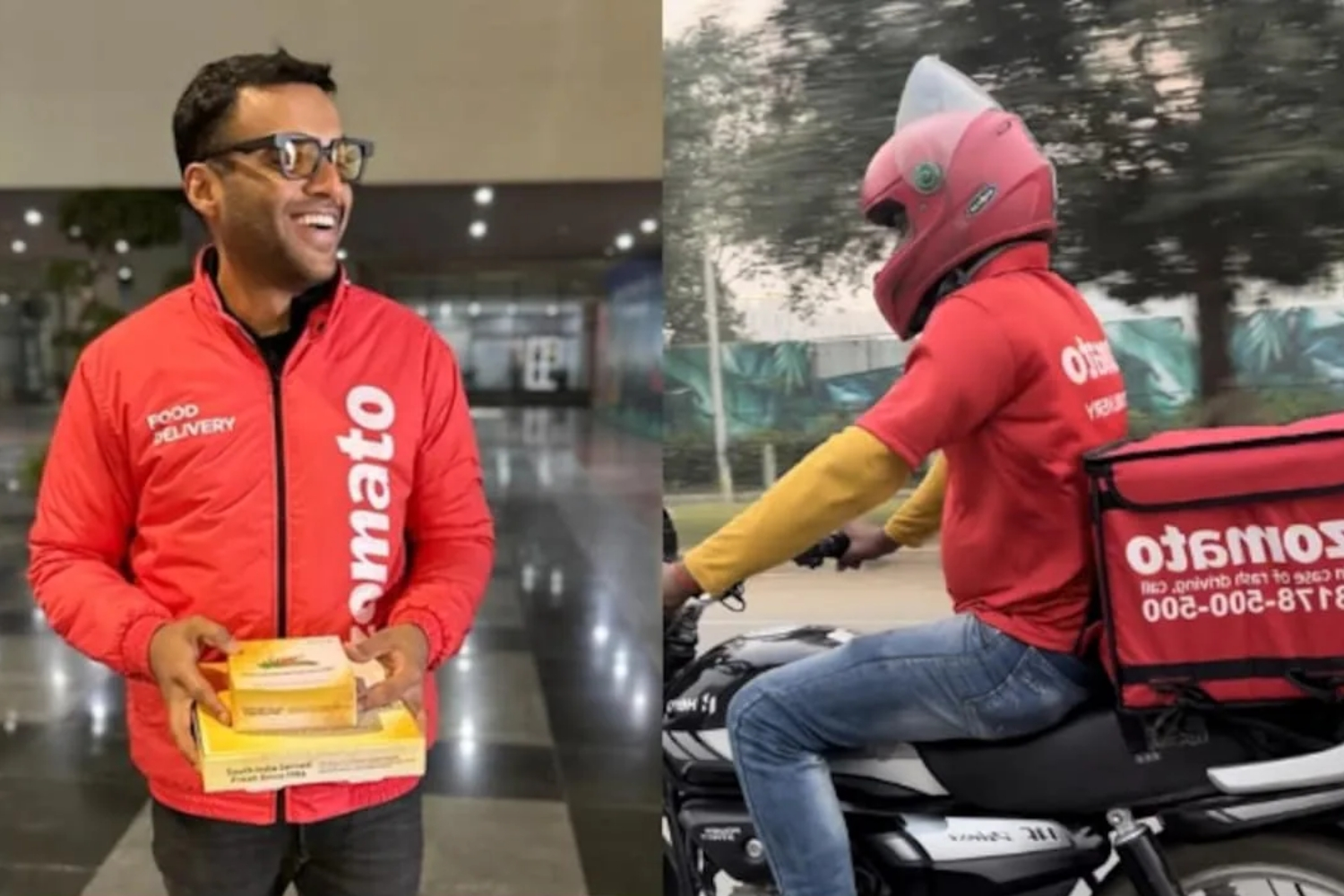
Office workers in NCR have to deal with a variety of issues. Many prefer working from home. Businesses in Cyber Noida and City Gurugram SEZs can adjust shifts. Delivery services such as Swiggy and Zomato use BS-VI fleets.
Impacts of the economic ripples are predicted. Logistics costs rise 15-20% due to detours. Small businesses that rely upon daily Delhi visits are impacted by losses. Long-term, clean air improves productivity by cutting down on sick days.
The tourism industry is unaffected by pedestrians as well as Metro users. Trains and airports are operating normally. The charging stations for electric vehicles are experiencing increased demand.
Challenges and Reactions of the Public
The compliance verification process is a logistical challenge. Older vehicles lack BS-VI stickers. Forged PUCs circulate on black market. Rural migrants who aren’t aware of the regulations could face fines.
Social media is buzzing with mixed responses. Commuters complain about the inconvenience. Environmentalists welcome the move. The hashtag #DelhiPollution was trending with more than 100,000 posts.
Political debates erupt. Opposition questions selective enforcement. AAP defends data-driven approach. The court interventions of 2023 GRAP cases establish precedents.
Options and Long-Term Strategies to be Advised
Sustainable measures are promoted alongside limitations. Delhi hopes to achieve 25 percent EV adoption in 2027. Subsidy programs for retrofitting BS-IV vehicles are being expanded. Tracks for cyclists and pedestrians are eligible for funds.
Public campaigns inform through FM radio, posters and mobile apps. Sameer app gives live AQI as well as GRAP updates. Air purifiers and masks are subsidised for those in need.
The inter-state coordination improves. UP, Haryana, and Rajasthan set time frames. Regional Clean Air Task Forces keep track of the progress.
Meteorological forecasts suggest relief before the weekend. Winds could disperse pollution. Yet, GRAP-IV lingers until AQI falls below 300 continuously.
Health Risks of Delay Action
A prolonged exposure to a’very low’ AQI triggers health emergencies. PM2.5 penetrates lungs, entering the bloodstream. Its short-term effects include coughing and irritation to the eyes. The long-term risk is cancer and heart disease, and lung cancer.
Hospitals set up beds for admissions related to pollution. Oxygen shortages that occurred in the past winters can be avoided by stockpiling. Schools run online classes in the event that AQI gets worse.
WHO guidelines recommend a safe AQI lower than 50. Delhi’s winter averages are over 300, infringing on the norms. Cities around the world like Beijing have similar curbs for vehicles effectively.
Future Outlook and Monitoring
GRAP Revocation is contingent on continued AQI improvement. Daily reviews conducted by CAQM define the time. The norms that are relaxed follow the Stage III thresholds.
Infrastructure upgrades continue. Border boom barriers automate checks. AI-powered ANPR expands to cities across. Data analytics can predict hot spots for violation.
Delhi’s smog war test resolves. The BS-VI rules signify the commitment to breathing air. Citizens suffer short-term pain in exchange to gain long-term advantages. Collaborative NCR efforts promise cleaner winters ahead.