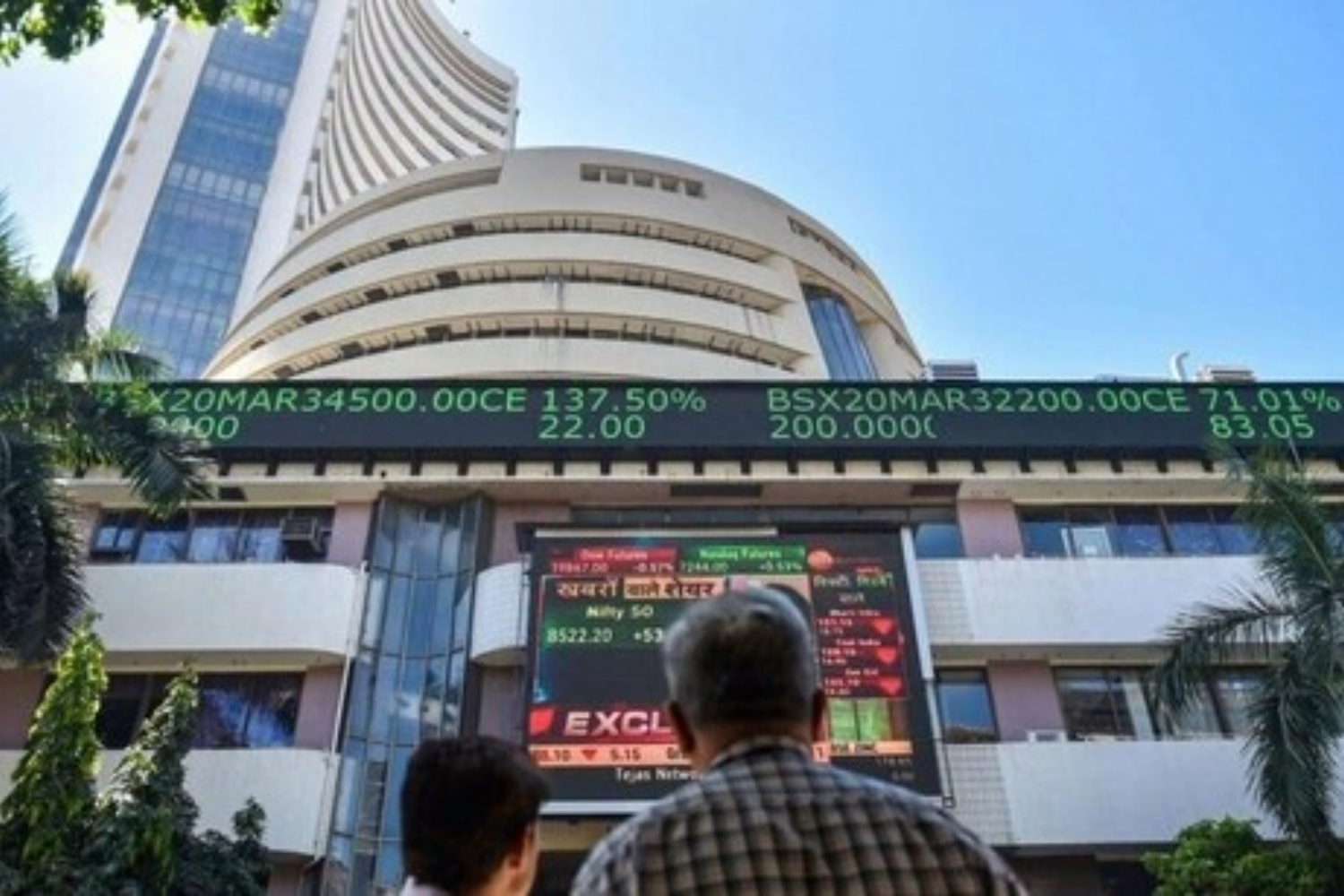


The Reserve Bank of India (RBI) has announced a 25 basic points reduction in the Repo rate, in effect lowering the key lending rate to 5.25%. The MPC made this decision after its meeting in consideration of the economic slowdown and the easing inflationary pressures. Overall, the rate reduction is expected to rejuvenate system liquidity and bring down the cost of borrowing to users of all sectors of the economy.
RBI commented that the main reasons for the rate slashing were moderating inflation and the need to support domestic demand. The central bank, however, points out that a slow recovery in consumer spending and a demand contraction that affects several industries should be enough reasons for which a credit facility solution is urgently needed to reignite the economy.
The Repo Rate Cut is a measure that directly impacts the cost of one commercial bank seeking to borrow from another through the central bank. When the rate goes down, commercial banks get access to money at a cheaper rate. This leads, among other things, to reduced interest rates on mortgage, car, and personal loans which make monthly payments easier for borrowers. Although it is not a statutory requirement, banks usually pass the advantage along to their customers shortly after such a policy change, especially when liquidity conditions are comfortable.
The move, according to sector experts, is likely to spur further credit expansion in the retail lending, housing finance, and MSME sectors. Among others, the cut-in-rate decision has excited real estate developers who think it would bring more homebuyers to the market. The auto industry, which has been experiencing a mixed performance in the last few months, is optimistic about a short-term sentiment boost with the easing of consumer credit.
As far as depositors are concerned, the consequences of this move are a bit complex. It is not guaranteed that banks will immediately fix deposit interest rates following a repo rate cut, however, they may offer a lower rate as soon as they revise their products. The RBI will maintain close scrutiny on inflation trends, global financial risks, and domestic demand before deciding on its next move.
Generally, it is a move to support economic expansion made by the central bank when it decides to reduce rates. At the same time, the director of the bank emphasized the importance of keeping inflation stable, easing credit flow and overall financial stability with the rate at 5.25%. It is worth noting that banks will have to respond to this policy by changing the rates they offer to borrowers, so it is yet to be seen how the market will react to the most recent RBI move.